My Real-World Experience with Similarweb: Unlocking Digital Insights
Hey everyone! As someone who’s constantly trying to make sense of the wild, ever-changing world of online business and content creation, I know the struggle. It’s like sailing without a compass sometimes, isn’t it? You’re trying to figure out where your audience is, what your competitors are doing, and how to stay ahead in a space that moves at warp speed. For years, I felt like I was piecing together fragments of information, relying on educated guesses and a whole lot of hope.
Then, a few years back, I stumbled upon something that felt like finding a treasure map: Similarweb. It wasn’t an instant miracle cure – no tool ever is – but it quickly became an indispensable part of my digital toolkit. I’d seen it mentioned in industry articles and heard whispers about its capabilities, but actually diving in and using it for my own projects was a game-changer. This isn’t just another review; it’s a peek into how Similarweb has genuinely impacted my work, from small content decisions to broader strategic planning.
What Exactly Is Similarweb? And Why Did I Even Look for It?
Before Similarweb, my approach to understanding my market was… well, let’s just say it was less than scientific. I’d check out competitor websites manually, look at their blogs, try to guess their traffic, and pore over social media comments. It was time-consuming, prone to bias, and honestly, not very effective. I knew there had to be a better way to get concrete data, not just assumptions.
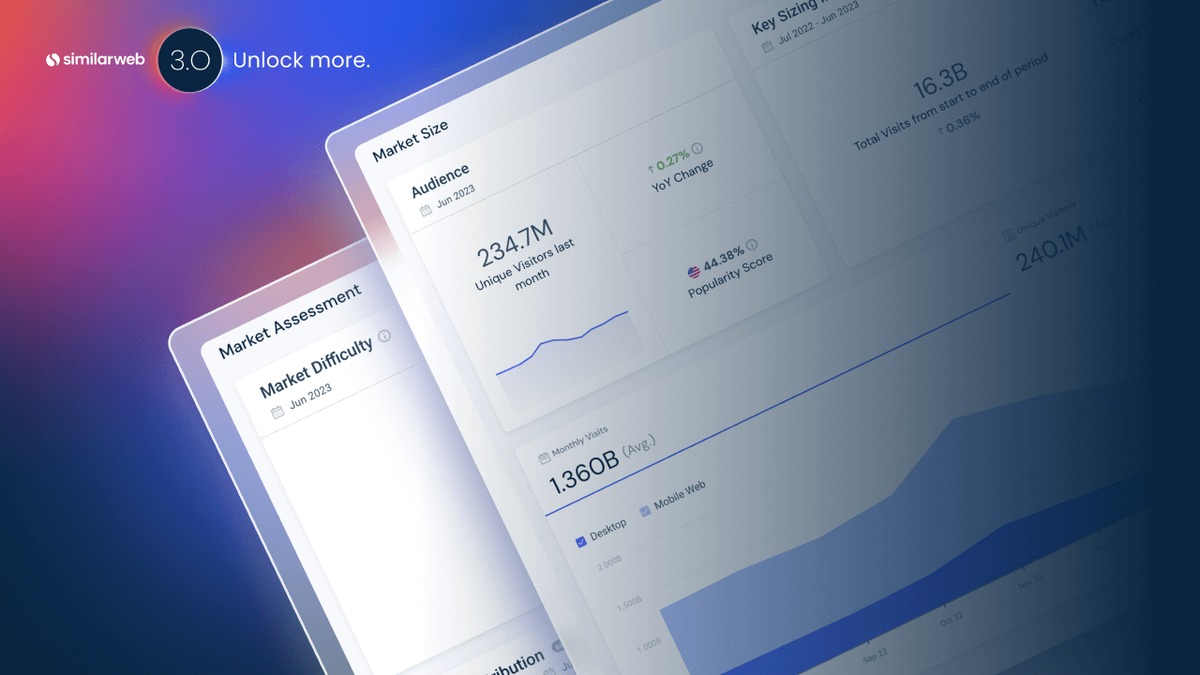
That’s where Similarweb steps in. At its core, it’s a platform that provides digital market intelligence. Think of it as a spyglass for the internet, letting you peer into the performance of virtually any website or app. It aggregates data from various sources to give you insights into website traffic, audience demographics, traffic sources, competitor strategies, and even what keywords are driving visitors. It’s like having a backstage pass to the entire digital ecosystem. For someone like me, who was drowning in data gaps, it felt like a lifeline.
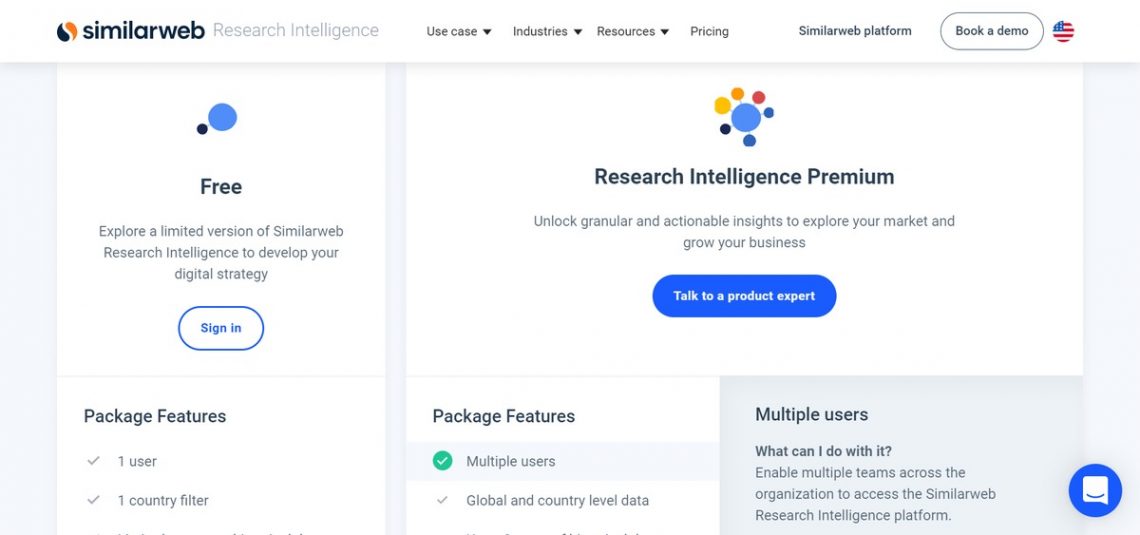
My initial foray was with the free version – because, let’s be real, who doesn’t love free tools? Even with the limited data, I immediately saw the potential. I could plug in a competitor’s URL and instantly get a snapshot of their estimated monthly visits, bounce rate, and average visit duration. It was like seeing behind the curtain for the first time, and it was addicting. That glimpse was enough to convince me that if the free tier offered this much, the full platform must be incredible.
My Journey into the Data Depths: Real-World Scenarios
I wear a few different hats in the digital world. Sometimes I’m managing content for a niche e-commerce site, other times I’m strategizing for a local service business, and occasionally, I dabble in affiliate marketing myself. Across all these roles, the need for solid data is constant. Similarweb became my trusted companion in each of these endeavors.
Case Study 1: Relaunching an E-commerce Product Line
A while back, I was tasked with breathing new life into a struggling product line for an e-commerce client. We had new inventory, a revamped website, but traffic was stagnant. My initial strategy was just “more marketing,” which, as you can imagine, isn’t much of a strategy at all.
Using Similarweb, I started by analyzing our direct competitors. I wasn’t just looking at their products; I was dissecting their digital presence. I paid close attention to:
* **Total Visits and Engagement Metrics**: How much traffic were they getting? How long were people staying? What was their bounce rate? This helped me benchmark our own performance and set realistic goals. I quickly realized we were lagging significantly in terms of visit duration, indicating our content wasn’t engaging enough.
* **Traffic Sources**: This was the real goldmine. Were they getting most of their traffic from organic search? Referral links? Social media? I found that one competitor, who was absolutely crushing it, had a huge chunk of their traffic coming from display ads on specific niche blogs. Before Similarweb, I would’ve never identified this channel as a priority. This insight alone shifted our advertising budget and focus.
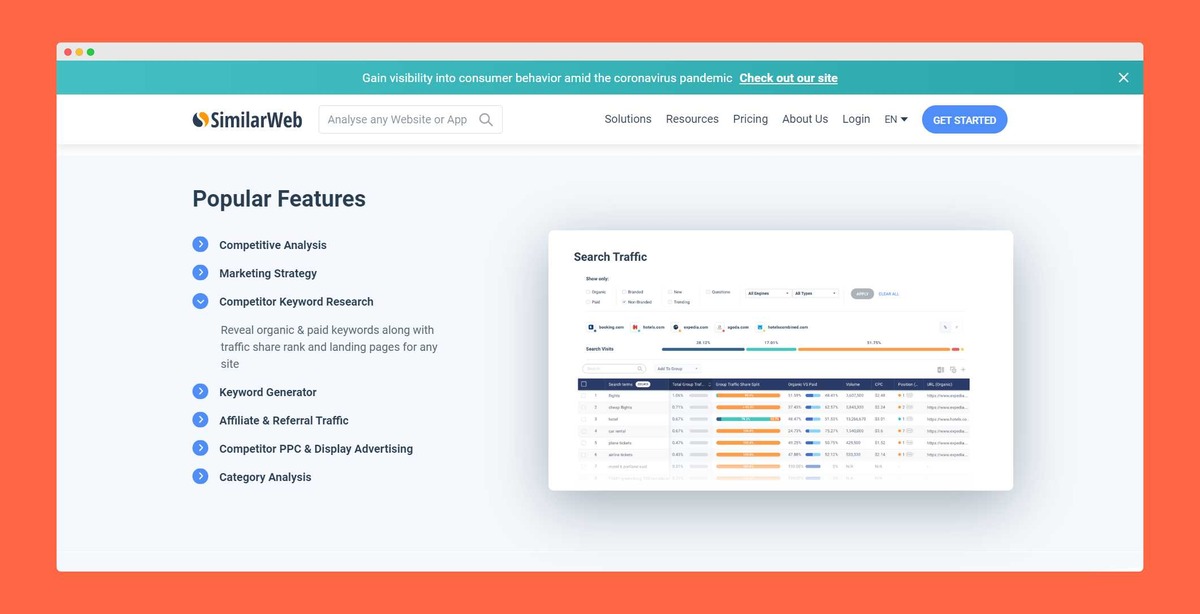
* **Top Keywords**: Oh, the keywords! Similarweb helped me uncover not just *what* keywords competitors ranked for organically, but also *what keywords they were paying for*. This was crucial. It gave me a clear roadmap for our SEO strategy and helped us identify high-intent keywords we weren’t even targeting. We began optimizing our product descriptions and blog posts around these insights, and within a few months, we saw a noticeable uptick in organic traffic.
Case Study 2: Content Strategy for a New Blog
Another time, I was launching a new blog in a somewhat crowded wellness space. The challenge was finding a unique angle and ensuring our content would actually reach people. The typical advice is “write good content,” but what *is* good content when everyone else is already writing about similar topics?
I turned to Similarweb to analyze the top-performing blogs in the wellness niche. I looked at:
* **Audience Demographics and Interests**: This was fascinating. I could see the age ranges, gender distribution, and even other websites their audience visited. This helped me refine our content tone and understand what other topics our potential readers cared about, allowing us to create more holistic content themes.
* **Top Pages/Content**: Similarweb showed me which pages on competitor sites were getting the most visits. This was an invaluable shortcut. Instead of guessing, I could see exactly what types of articles, guides, or tools were resonating with the audience. It allowed me to identify content gaps – topics that were popular but perhaps not covered in depth, or from a specific angle, by competitors. We then focused our content efforts on filling these gaps, offering unique perspectives on high-demand topics.
* **Referral Traffic**: Understanding who was linking to these successful blogs helped me identify potential collaboration partners and directories where we should also try to get listed.
These insights didn’t just save me countless hours of guesswork; they gave me a data-backed plan to stand out.
Diving Deeper: Key Features I Can’t Live Without
While the above stories give you a taste, let’s talk about some of the specific features that make Similarweb such a powerhouse in my daily workflow.
1. Website Analysis: The Overall Picture
This is where it all begins. Punch in any URL, and you get a comprehensive overview. I always start here to get a general feel for a site’s digital health. I look at:
* **Global, Country, and Category Rank**: Gives me an instant idea of how big and influential a site is.
* **Total Visits, Pages per Visit, Avg. Visit Duration, Bounce Rate**: These engagement metrics are crucial. They tell you not just *how much* traffic a site gets, but *how quality* that traffic is. If a competitor has high visits but a terrible bounce rate, their traffic might not be as valuable as it seems.
* **Geographic Distribution**: Handy for understanding which countries a business is most popular in. Essential for geo-targeted campaigns.
2. Traffic Sources: Unpacking the “How”
This is arguably one of the most powerful sections. Knowing *where* traffic comes from is like knowing a competitor’s marketing playbook.
* **Direct**: Indicates brand strength and returning visitors.
* **Referrals**: Shows you who is linking to them. I’ve found fantastic guest posting opportunities and partnership ideas here.
* **Search**: Differentiates between Organic and Paid search. This is where I find those golden keywords.
* **Social**: Identifies which social media platforms are most effective for a brand. Great for refining my own social strategy.
* **Display Ads**: Reveals their ad networks and publishers. Perfect for understanding their advertising spend and where they’re placing ads.
This feature alone has helped me identify underutilized marketing channels and prioritize my efforts where they’ll have the most impact.
3. Audience Interests: Who Are They, Really?
This feature feels a bit like mind-reading. It shows other websites and categories of websites visited by a target audience. For instance, if I’m analyzing a fitness apparel brand, Similarweb might show me that their audience also visits healthy eating blogs or sports news sites. This is incredibly useful for:
* **Content Ideation**: What other topics resonate with my target audience?
* **Partnerships**: Are there other brands or influencers whose audiences overlap with mine?
* **Ad Targeting**: Refining ad campaigns to reach people with specific interests.
4. Competitors & Similar Sites: Staying Ahead
This section automatically suggests other sites that compete for the same audience or keywords. It’s a fantastic way to uncover players you might not even know about. I use it to:
* **Identify Emerging Competitors**: Stay alert to new threats or opportunities.
* **Analyze Their Strategy**: What are these similar sites doing well or poorly?
* **Find Inspiration**: See how others in your niche are tackling similar challenges.
5. Keyword Research: The SEO Powerhouse
While not a dedicated keyword tool like some specialized platforms, Similarweb’s keyword insights are robust. It shows you:
* **Top Organic Keywords**: What terms bring the most unpaid traffic.
* **Top Paid Keywords**: What terms competitors are bidding on.
* **Keyword Difficulty & Volume**: Helps prioritize efforts.
I’ve used this to uncover high-volume, low-competition keywords that my competitors were overlooking, giving my own content a significant boost.
What Others Are Saying – And Why It Resonates With Me
My experiences aren’t isolated. I often chat with other marketers and business owners, and there’s a consistent theme: Similarweb provides insights you simply can’t get anywhere else without enormous effort.
Here are a few pieces of feedback I’ve heard that really echo my own thoughts:
* “I used to spend hours manually tracking competitor backlinks and trying to guess their traffic. Similarweb cut that time down to minutes and gave me more accurate data. It’s invaluable for competitive analysis.” – *Sarah, Digital Marketing Manager*
* “As a small business owner, I don’t have a massive budget for every single tool out there. Similarweb’s market intelligence helped me identify a massive opportunity in a niche I thought was saturated, just by showing me where competitors were missing the mark on audience engagement. It literally shifted my entire product development.” – *Mark, E-commerce Entrepreneur*
* “Before Similarweb, my agency was flying blind on some client pitches. Now, we walk in with concrete data about their industry, their competitors, and where the biggest traffic opportunities lie. It’s built immense credibility for us.” – *Jessica, Agency Owner*
* “I was skeptical at first, but when I saw how deeply you could drill down into traffic sources – right down to specific display ad networks – I was sold. It’s helped me refine my media buying strategy dramatically.” – *David, Performance Marketer*
These sentiments really capture the essence of what makes Similarweb so powerful. It’s not just data; it’s *actionable* data.
Who Is Similarweb For?
In my opinion, Similarweb is for anyone who needs to understand the digital landscape better.
* **Digital Marketers**: For competitive analysis, SEO, PPC, content strategy, and social media planning.
* **Business Owners**: To understand market trends, identify new opportunities, and benchmark their performance.
* **Content Creators & Bloggers**: To find trending topics, analyze successful content, and identify audience interests.
* **Investors & Analysts**: To perform due diligence on companies by analyzing their digital footprint.
* **Sales Professionals**: To understand a prospect’s digital presence before a crucial meeting.
* **Agencies**: To provide data-driven strategies and win new clients.
Essentially, if your business has an online presence, or if you’re trying to understand one, Similarweb can offer profound insights.
A Word of Caution (Just Because I’m a Real Human)
While I sing its praises, it’s important to remember that Similarweb, like any powerful tool, requires a learning curve. The sheer volume of data can be overwhelming initially. It’s not a “set it and forget it” solution. You need to invest time in understanding the metrics, interpreting the data, and translating those insights into actionable strategies for your own business.
Also, remember that while Similarweb’s data is incredibly robust and accurate, especially for larger websites, all analytics platforms that estimate third-party traffic have a margin of error. It’s best to use it as a powerful directional tool and a benchmark, rather than expecting absolute precision down to the last visitor. For *your own* website, your Google Analytics and Search Console will always be the source of truth. But for everyone *else’s* website, Similarweb is as close as you can get.
My Final Thoughts: Is Similarweb Worth It?
Absolutely. For me, it has moved from a “nice-to-have” tool to an “essential” one. It empowers me to make data-driven decisions that consistently yield better results than relying on intuition or fragmented information. The ability to peer into competitor strategies, identify market gaps, and truly understand an audience’s online behavior has been transformative.
It provides a level playing field, giving smaller businesses and content creators access to intelligence that was once reserved for massive corporations with huge research budgets. It’s not just about seeing numbers; it’s about understanding the stories those numbers tell and then writing your own success story based on that understanding.
If you’re serious about your digital presence, growing your business, or staying ahead of the curve, I genuinely encourage you to explore what Similarweb has to offer. Go beyond guessing, and start making informed decisions. It might just be the compass you need to navigate your digital ocean.
Ready to uncover those digital secrets for yourself?


You May Also Like

Discovering muru jewellery: My Journey with Meaningful Adornments from the UK
Unlocking Great Deals: My Go-To Source for New Balance Outlet Treasures!