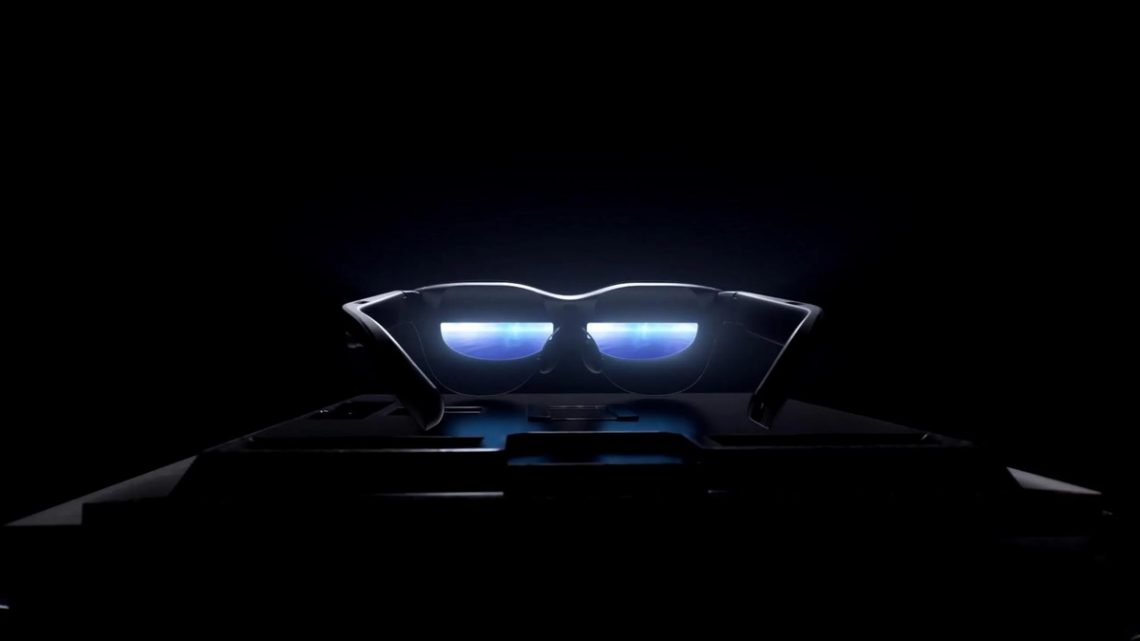
My Deep Dive into the Rayneo Air 3S: A Truly Immersive Smart Glass Experience
Okay, so I’ve been eyeing smart glasses for what feels like forever. Not the VR headsets that strap you in and disconnect you from reality, but something sleek, lightweight, and genuinely useful for everyday life. Something that could give me a big screen experience on the go, without screaming “tech geek” to everyone around me. I’ve tried a few over the years, and while some were promising, they always felt like a compromise – clunky, low resolution, or just not comfortable enough for more than a few minutes.
That’s why when I heard about the Rayneo Air 3S, I was intrigued. Rayneo isn’t a new name in this space, and they seem to be constantly refining their products. The buzz around the Rayneo Air 3S specifically mentioned improved display, comfort, and general user experience. As someone who spends a lot of time working remotely, traveling, and occasionally just wants to chill with a movie without hogging the TV, this felt like it could be a game-changer. So, I decided to take the plunge and see if the Rayneo Air 3S could live up to the hype. And let me tell you, it’s been quite the ride.
If you’re curious about what this little piece of tech can do, or if you’ve been on the fence yourself, stick around. I’m going to walk you through my personal journey with these smart glasses, from unboxing to using them in my daily routine.
Visit Official rayneo air 3s Website Now
First Impressions: Unboxing and Initial Setup
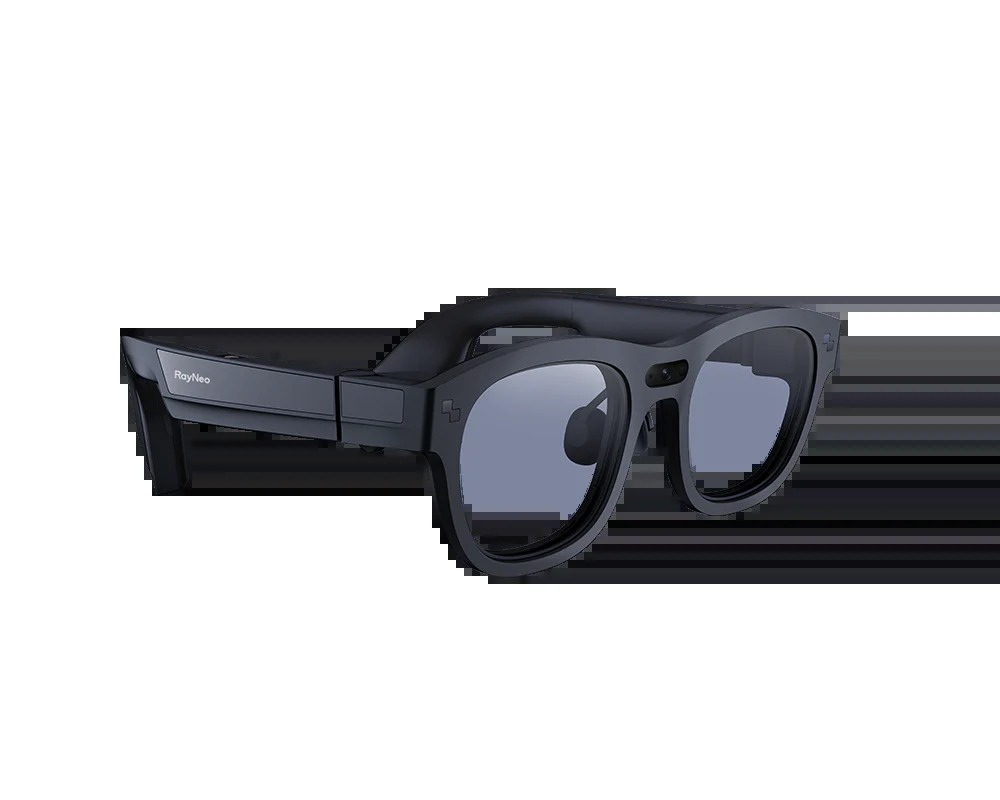
The package itself was pretty standard, nothing overly fancy, but well-protected. Pulling out the Rayneo Air 3S, my immediate thought was, “Wow, these actually look like regular sunglasses.” And I mean that as a huge compliment. They’re stylish, dark-tinted, and don’t have any bulky protrusions that scream “I’m wearing a computer on my face.” The build quality felt solid, a good mix of lightweight plastics and what felt like sturdy hinges. They come with a nice carrying case, a USB-C cable, and a few different nose pads, which is a thoughtful touch for different face shapes.
Putting them on for the first time felt… normal. They’re remarkably light, coming in at just under 70g. I swapped out the default nose pads for a slightly larger pair to get a better fit, which took all of five seconds. The temples felt comfortable over my ears, no pinching or excessive pressure. This was already a win for me, as comfort is usually where these devices fall short.
Setup was a breeze. I plugged the USB-C cable from the Rayneo Air 3S into my Samsung phone, and boom – immediate connection. No apps to download first, no complicated pairing processes. It just worked. The virtual screen popped up almost instantly, and I was genuinely surprised by the clarity. I’ll dive deeper into the display in a moment, but that first glimpse was genuinely impressive. It felt like I was looking at a massive TV screen floating about ten feet in front of me.
The Display Experience: A Portable Private Cinema and Workspace
This is where the Rayneo Air 3S truly shines. Rayneo touts a 130-inch virtual screen from 4 meters away, and while it’s hard to precisely measure a virtual screen, it *feels* huge. The resolution is 1920×1080 for each eye, which translates to a sharp, vibrant picture. Text is crisp, and colors are rich and punchy. I fired up a few of my favorite streaming apps, and honestly, it was an incredible experience.
Watching movies on a flight or train has been completely transformed. Instead of squinting at a tiny phone screen or craning my neck to see a seat-back display, I’ve got this massive, personal cinema. The immersion is fantastic, especially in a dimly lit environment. There’s a noticeable improvement in brightness compared to some other smart glasses I’ve tried, making it perfectly usable even in moderately bright rooms. I’ve even used them outside on a cloudy day, and while direct sunlight is still a challenge (as it would be for any screen), it was surprisingly legible.

But it’s not just for entertainment. As a productivity tool, the Rayneo Air 3S has surprised me. I often find myself needing a second screen when working on my laptop, especially when traveling. Plugging these in gives me an instant, full-HD external monitor. I can have my main work window on my laptop screen and a reference document or communication app floating in my glasses. It takes a little getting used to, the whole “looking through” the glasses to see my real surroundings while also seeing a virtual screen, but once you adapt, it’s incredibly efficient. I can keep an eye on my surroundings without completely disengaging.
A friend of mine, who also got a pair, told me, “I never thought I’d actually *work* using smart glasses, but the Rayneo Air 3S changed my mind. I can review documents and respond to emails on a massive screen during my commute without anyone seeing what I’m doing. It’s fantastic for privacy and focus.” I totally get where he’s coming from.
Audio Quality and Intuitive Controls
Integrated audio is another crucial component for smart glasses, and the Rayneo Air 3S delivers here too. The open-ear speakers are built into the temples and direct sound towards your ears. The sound quality is clear and surprisingly full for open-ear speakers. They won’t replace a high-end pair of headphones for audiophiles, but for movies, YouTube videos, and even casual music listening, they’re more than adequate.
What I particularly appreciate is the balance between personal audio and environmental awareness. I can listen to my content without feeling completely cut off from the world. If someone needs my attention, I can still hear them. For private conversations or noisy environments, you can easily pair your favorite Bluetooth earbuds.
Control-wise, it’s pretty straightforward. There are physical buttons on the temples for volume, brightness, and a power/function button. They’re tactile and easy to locate by feel. Connecting to devices is simple via USB-C, and it supports DisplayPort Alt Mode, meaning it works with a wide range of devices from phones and tablets to laptops and gaming consoles (with the right adapter, of course). I tested it with my Nintendo Switch via a small hub, and having a huge screen for portable gaming felt ridiculously cool.
Real-World Use Cases: My Everyday Adventures with the Rayneo Air 3S
Let’s talk about how these have actually integrated into my life. This isn’t just about reviewing specs; it’s about real utility.
Travel Companion Extraordinaire
My frequent flights used to involve me trying to angle my tablet just right or struggling with the tiny, often low-quality, seat-back screens. Now, I just slip on the Rayneo Air 3S. I download my movies or shows beforehand, and suddenly, I’m in my own private cinema at 30,000 feet. The battery life on my phone powers them, and since they don’t have their own battery, they’re super light. It’s been a revelation. I can easily glance up to see if the flight attendant is coming or if my neighbor needs to get out, without taking the glasses off.
The Coffee Shop Workspace Upgrade
Working from coffee shops is a regular thing for me. Usually, it’s just my laptop screen. With the Rayneo Air 3S, I can essentially have a dual-monitor setup. I’ll often have my main writing document on my laptop, and a research page or my email inbox floating in my glasses. It enhances my productivity significantly without needing an actual bulky portable monitor. Plus, nobody can see what’s on that second screen, adding a layer of privacy. This has been invaluable for me.
Late-Night Entertainment Without Disturbing Anyone
My partner is an early sleeper. Before, if I wanted to catch up on a show late at night, I was either stuck with my phone or had to watch in another room. Now, I can lay in bed, put on the Rayneo Air 3S, and enjoy my content on a massive screen with personalized audio, all without making a peep. It’s incredibly discreet and has been a huge win for my personal entertainment habits.
Casual Gaming on the Big (Virtual) Screen
While I’m not a hardcore gamer, I do enjoy some casual mobile games or indie titles on my Switch. Connecting the Rayneo Air 3S to my phone for mobile gaming, or via a dock to my Switch, has elevated the experience dramatically. Games look fantastic on the large virtual display, making everything feel more epic. It’s a different kind of immersive than VR, as you still have your peripheral vision of the real world, but it definitely pulls you into the game.
One of my colleagues, who’s more into mobile gaming than I am, messaged me saying, “Dude, playing [popular mobile RPG] on the Rayneo Air 3S is wild. It feels like I’m playing it on a massive TV, but it’s just me. No more squinting at tiny text or missing details.” It’s great to hear others are having similar experiences.
Visit Official rayneo air 3s Website Now
Comfort and Wearability: Can You Really Wear Them for Hours?
This was a big question mark for me, given past experiences with similar devices. The Rayneo Air 3S has genuinely surprised me here. As I mentioned, they’re incredibly lightweight. The interchangeable nose pads are a lifesaver, allowing for a customized fit that prevents pressure points. I’ve worn them for entire movies (2+ hours) and extended work sessions (3-4 hours) without significant discomfort.
The weight distribution feels balanced, and they don’t feel front-heavy, which is a common issue with smart glasses. My only minor gripe, and this is true for most glasses, is that after several hours, my ears can start to feel a bit of pressure, especially if I’m also wearing over-ear headphones (though the built-in speakers usually negate that need). For people who wear prescription glasses, Rayneo also offers prescription lens inserts, which is a massive plus. I don’t need them personally, but I know many friends who have been held back from smart glasses because of this issue.
A quick search showed that others agree. “I have a pretty sensitive nose, and most glasses give me a headache after an hour. The Rayneo Air 3S, with the right nose pads, is the first pair I can actually wear for my whole flight without getting uncomfortable,” one user commented online. That mirrors my own experience.
Battery Life and Portability: Ready When You Are
Since the Rayneo Air 3S doesn’t have its own internal battery, it draws power directly from the connected device. This means its “battery life” is essentially the battery life of your phone, tablet, or laptop. While this sounds like a downside, in practice, it’s brilliant. It keeps the glasses incredibly light and means one less device to charge. Modern phones usually have enough juice to power the glasses for a full movie or a couple of hours of work without significantly draining the phone’s battery (though obviously, it will drain faster than if the screen were off). For longer sessions, a power bank for your phone solves any concerns.
Portability is excellent. They fold up just like regular sunglasses and fit neatly into their included case. I can toss them into my backpack or even a larger jacket pocket without worrying about them. They feel robust enough to handle the rigors of daily travel.
A Few Niggles and What Could Be Even Better
No product is perfect, and while the Rayneo Air 3S comes remarkably close for my needs, there are a couple of points worth mentioning.
First, while the screen is fantastic, the field of view (FOV) is good, but you are still aware you’re looking at a screen *within* your glasses, rather than the entire world being a display (which is more AR/VR territory). It’s not meant to replace your entire field of vision, but for some, the virtual screen size might take a little getting used to.
Second, the cable management. While the USB-C cable is necessary, sometimes it can get a little tangled depending on how you’re holding your phone or laptop. It’s a minor thing, and a magnetic or more flexible cable could be a nice upgrade in future iterations.
Lastly, while the audio is good, in very noisy environments, you’ll definitely want to pair Bluetooth headphones for optimal sound and privacy. The open-ear design, while great for situational awareness, means sound can bleed out a little if you crank the volume, and background noise can interfere.
What Other Users Are Saying
I’ve checked around forums and social media, and the general sentiment for the Rayneo Air 3S is overwhelmingly positive, especially regarding the display quality and comfort.
“I use my Rayneo Air 3S every day for my commute,” one user posted. “It turns my train ride into my own personal movie theater. I’m seriously impressed with how clear the picture is and how comfortable they are for long periods.”
Another person shared, “As someone who struggles with eye strain from traditional screens, the Rayneo Air 3S has been a revelation. The projected image feels so much easier on my eyes, and I can adjust the brightness perfectly.”
And this one resonated with my productivity use: “My home office setup is limited, but with the Rayneo Air 3S, I essentially have a second monitor anywhere I want. It’s freed me from my desk, and I’m genuinely more productive.”
Final Thoughts: Is the Rayneo Air 3S Worth It?
After weeks of using the Rayneo Air 3S in various scenarios – from working at coffee shops to chilling with movies on flights – I can confidently say that these smart glasses have earned a permanent spot in my tech bag. They deliver on the promise of a truly portable, large-screen experience without the bulk or social awkwardness of traditional VR headsets.
The display is vibrant and sharp, the comfort is top-tier for extended use, and the ease of connecting to pretty much any USB-C device makes them incredibly versatile. It’s not just a gadget; it’s a legitimate tool for productivity and entertainment, especially for anyone who travels frequently, works remotely, or simply craves a personal, immersive viewing experience.
If you’ve been waiting for smart glasses that actually feel practical, look good, and perform exceptionally well, the Rayneo Air 3S should definitely be on your radar. It’s a significant step forward in making wearable displays a genuinely useful part of everyday life. I’m genuinely excited to see where Rayneo takes this technology next, but for now, the Rayneo Air 3S is a clear winner in my book.


You May Also Like
Level Up Your Game: My Deep Dive into the World of Scuf Controllers

My Real Experience with swimmershop: What You Should Know