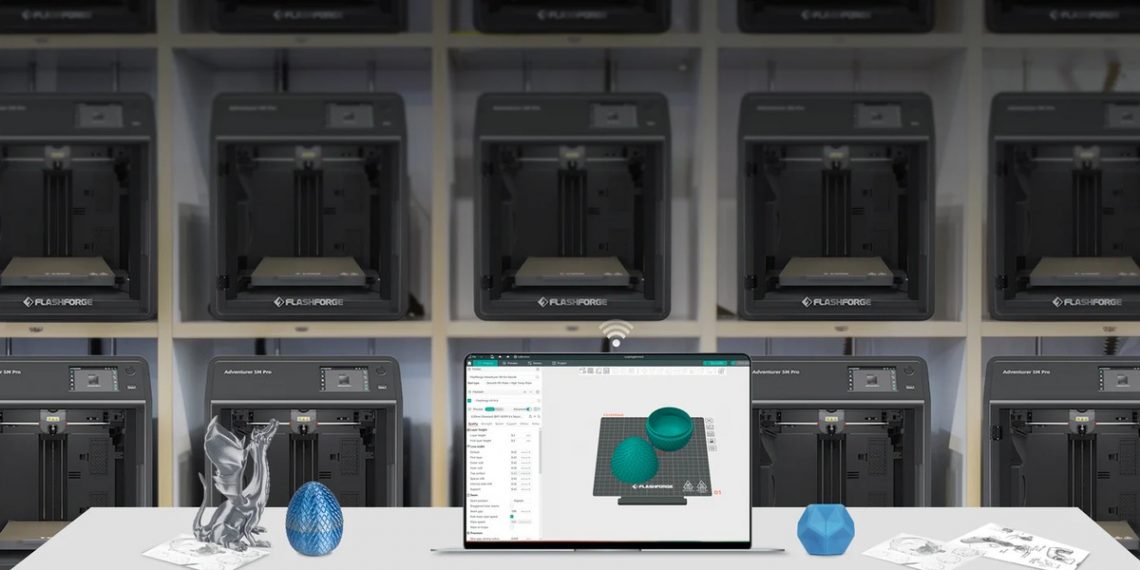
My Flashforge Journey: Why This 3D Printer Brand Became My Go-To
Alright, let’s talk 3D printing. If you’re anything like me, you probably got into this hobby with a mixture of excitement and a tiny bit of trepidation. The promise of bringing your digital designs to life is incredibly appealing, but the reality can sometimes be a steep learning curve filled with failed prints, endless calibration, and a surprising amount of troubleshooting. I’ve certainly had my share of those moments, staring at a spaghetti monster of plastic, wondering where I went wrong. But then, I discovered Flashforge, and honestly, it felt like a breath of fresh air.
My initial foray into 3D printing wasn’t with a Flashforge machine. I started with a different, highly-rated budget printer that, while capable, demanded a lot from me. I spent hours tweaking settings, leveling beds, and trying to coax decent prints out of it. It was a proper tinkerer’s machine, and I learned a lot, but I also felt like I was spending more time fixing than creating. I wanted something that would just… work. Something reliable, that wouldn’t make me pull my hair out every time I started a new project. I wanted a machine that would empower my creativity, not constantly test my patience.
That’s when I started hearing whispers about Flashforge. Friends in the 3D printing community, forum posts, YouTube reviews – they all pointed to this brand as a solid, dependable choice, especially for those looking for a step up in reliability without breaking the bank. I dug into their offerings on their official website, Flashforge.com, and was impressed by the range of machines they had, from compact desktop models perfect for beginners to more robust workhorses designed for serious hobbyists and even small businesses. The more I learned, the more intrigued I became. I felt like I was on the cusp of finding the solution to my printing woes.
So, I took the plunge. After much deliberation, I decided on a Flashforge Adventurer series printer. It seemed to strike the perfect balance between features, user-friendliness, and its relatively enclosed design which I knew would be beneficial for printing a wider range of materials. Ordering it was straightforward, and the anticipation of its arrival was palpable. I was genuinely hoping this would be the machine that truly unlocked my 3D printing potential. If you’re curious about their current lineup, you can check out their entire selection here: Visit Official flashforge Website Now.
My Personal Flashforge Experience: From Setup to Successful Prints
When my Flashforge arrived, I was immediately struck by the build quality. It felt robust, not flimsy, which was a welcome change. Unboxing and setup were surprisingly painless. I’d braced myself for an hour of fiddling with screws and wires, but it was practically ready to go right out of the box. The instructions were clear, and within about 15-20 minutes, I had it plugged in, filament loaded, and was running the initial calibration. Compared to my previous experience, this was a dream.
My very first print was a simple test cube, and I watched it intently, expecting some sort of issue to pop up. But it just… printed. The layers were even, the adhesion was perfect, and the cube came off the build plate cleanly. I then moved on to a more complex calibration print, and again, the results were impressive. It was a moment of genuine relief and excitement. I realized that my Flashforge machine was designed to make the printing process as seamless as possible, allowing me to focus on what I wanted to create, not on wrestling with the machine itself.
Over the months, my Flashforge printer has become the workhorse of my little workshop. I’ve printed countless items – practical household fixes, intricate cosplay props, prototypes for personal projects, and even some fun toys for my nephew. I’ve used various types of filament: standard PLA, tough PETG, and even some flexible TPU. Each time, after a bit of initial tuning in FlashPrint (their proprietary slicing software, which I’ll get to in a moment), the results have been consistently good. I rarely have prints fail due to the printer itself, which is something I couldn’t say about my earlier experiences. The layer lines are consistently fine, and dimensional accuracy is usually spot on, which is critical for functional parts.
One of my favorite projects involved printing a custom-designed organizer for my desk drawers. It had multiple compartments of varying sizes, precise cutouts for specific tools, and a snug fit for the drawer. My Flashforge printer handled the complex geometry with ease, producing a perfectly functional piece that transformed my messy drawer into an organized haven. This level of reliability really lets me push my design ideas further, knowing the printer can keep up.
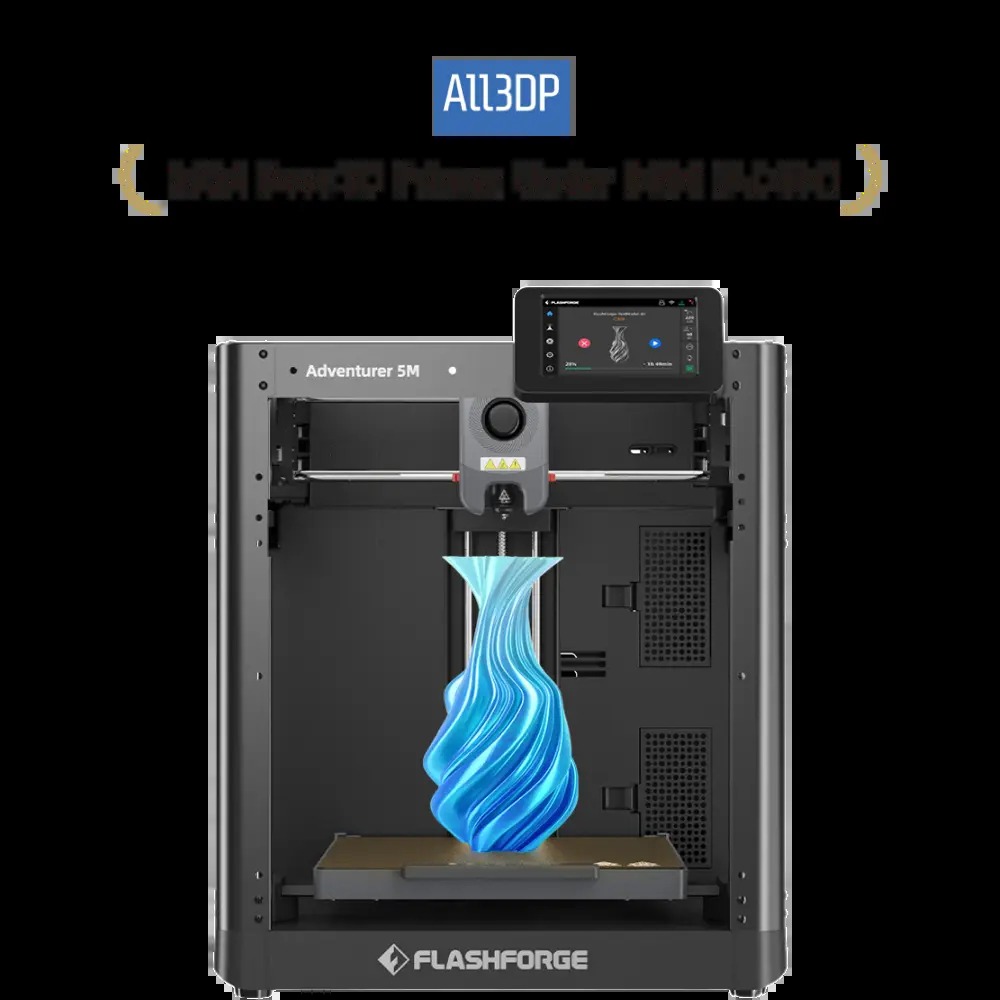
The proprietary slicer, FlashPrint, deserves a special mention. While some enthusiasts might prefer more feature-rich, open-source options, FlashPrint is incredibly intuitive and perfectly optimized for Flashforge machines. For someone like me who values efficiency, it’s a huge plus. It’s easy to navigate, generates supports effectively, and has preset profiles for various Flashforge models and materials that just work. I’ve found that using FlashPrint often leads to better print results with less fuss than when I’ve tried to port files to other slicers. It gets regular updates, too, which shows that Flashforge is committed to improving the user experience.
In terms of maintenance, my Flashforge has been remarkably low-key. I perform regular cleaning of the build plate and nozzle, and I’ve replaced the nozzle once due to wear, which was a simple process. The build plate itself has held up incredibly well, maintaining its adhesion properties even after hundreds of prints. It truly feels like a durable machine built to withstand consistent use. This longevity and low maintenance are crucial for any serious hobbyist or professional who relies on their printer.
Diving Deeper into the Flashforge Ecosystem
What I’ve come to appreciate about Flashforge is not just my personal machine, but the entire ecosystem they’ve built. They don’t just have one or two printers; they have a whole lineup designed to cater to different needs and skill levels.
For beginners, the Adventurer series (like the one I have) is fantastic. They’re often enclosed, making them safer and better for a wider range of filaments, and they come with features like auto-leveling and user-friendly interfaces that flatten the learning curve significantly. You literally plug it in, load filament, and you’re printing in minutes.
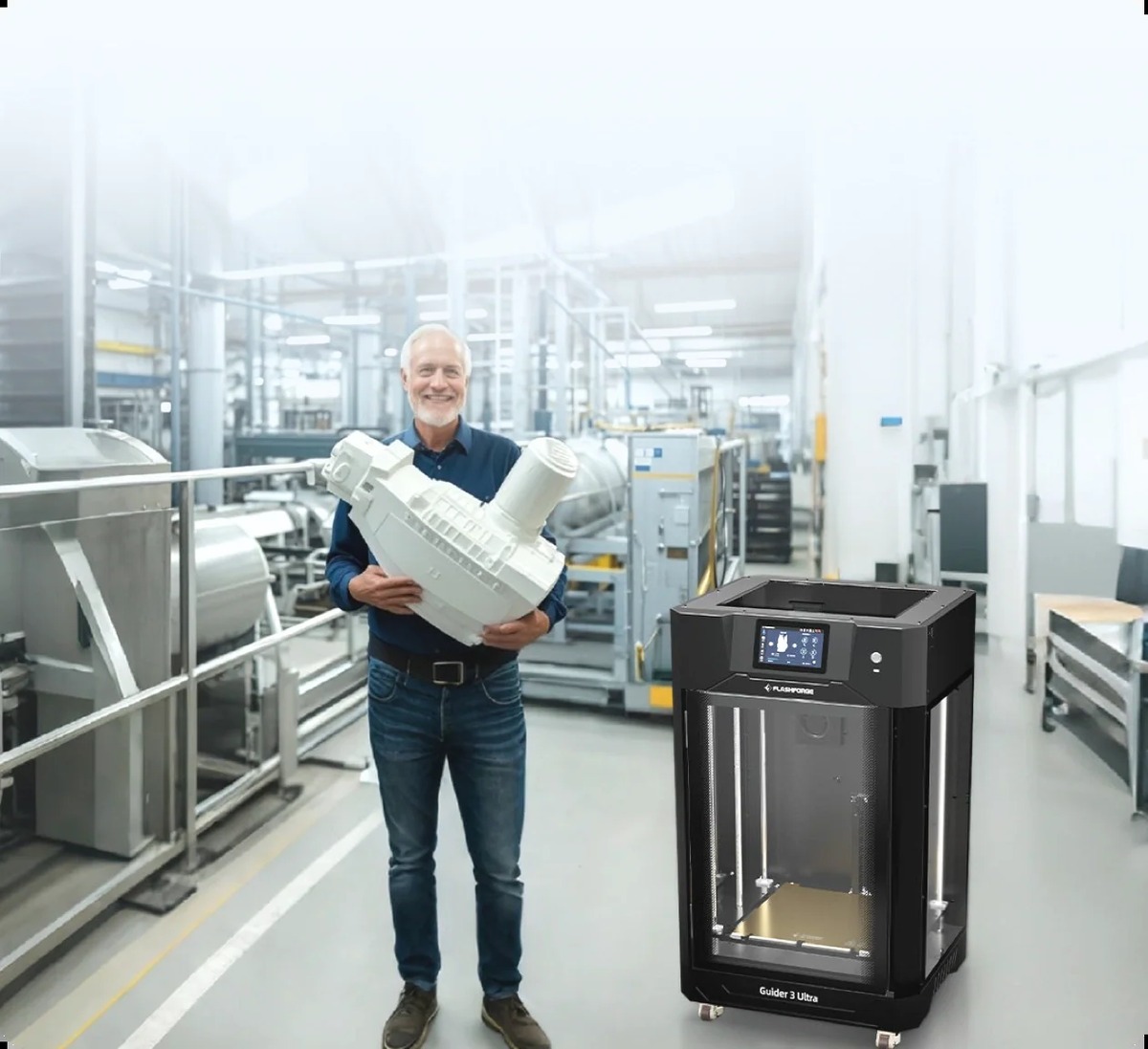
Then there are their Creator series machines, which often feature dual extruders, allowing for multi-material printing or dissolvable supports – a game-changer for complex geometries. For those looking for larger build volumes and industrial-grade reliability, the Guider series steps up the game with high-temp printing capabilities and robust construction, ideal for demanding applications. Flashforge seems to understand that the 3D printing world is diverse, and they’ve built a portfolio that addresses that diversity.
Whether you’re looking for a simple, reliable desktop printer for your first forays into 3D printing or a more advanced machine for complex prototypes, Flashforge likely has a solution. Their machines consistently offer features like easy filament loading, resume printing functions (which have saved countless long prints from power outages!), and often, Wi-Fi connectivity for remote monitoring. It’s clear they focus on user experience and robust engineering across their product lines. If you’re thinking about getting into 3D printing or upgrading your current setup, I highly recommend checking out their full range of products at Visit Official flashforge Website Now.
Community and Support
Beyond the machines themselves, the Flashforge community is a real asset. There are active Facebook groups, Reddit forums, and various online communities where users share tips, troubleshoot issues, and showcase their incredible prints. I’ve found these communities to be incredibly welcoming and helpful. If you ever run into a snag (which, let’s face it, happens with any tech), chances are someone else has encountered it and can offer guidance.
I haven’t had to use Flashforge’s official customer support extensively, which I take as a good sign of their products’ reliability! But the few times I’ve had simple questions or needed to confirm a spare part, their responses have been prompt and helpful. It feels good knowing that there’s a support system in place should you need it.
What Others Are Saying About Flashforge
It’s not just my personal experience that highlights Flashforge’s strengths. I often see similar sentiments echoed by other users across the US. Here’s a glimpse of what real customers are saying:
“I’d been struggling with another brand for months, but my Flashforge Adventurer 3 practically printed perfectly right out of the box. Setup took minutes and I haven’t looked back!” – Mark T. from Ohio, an enthusiastic hobbyist.
“The precision I get from my Creator 3 Pro is incredible. I’m making functional prototypes for my small business, and the tolerances are spot on every time. Flashforge really delivers on quality and consistency.” – Sarah L. from California, a product designer.
“For the price, the quality you get from a Flashforge machine is just unbeatable. I’ve put hundreds of hours on my Guider IIs, printing large, complex parts, and it’s still a reliable workhorse. Truly impressed with its endurance.” – David R. from Texas, an engineer.
“FlashPrint might not be as flashy as some other slicers, but it’s incredibly intuitive and reliable. I rarely have issues with my prints when I stick to it, and that’s exactly what I need for my weekend projects.” – Emily K. from Florida, a passionate maker.
These comments resonate deeply with my own journey. The common themes are reliability, ease of use (especially for the Adventurer series), impressive print quality, and excellent value for the money – all things I’ve come to appreciate about the brand.
Who is Flashforge For?
So, who should consider a Flashforge 3D printer? I’d say anyone who wants to dive into the world of 3D printing without the constant frustration of a temperamental machine. They’re fantastic for beginners due to their user-friendliness, but their advanced models also appeal to experienced makers, educators, and small businesses looking for dependable, high-quality output. If you prioritize reliability, good print quality, and a relatively straightforward user experience, Flashforge is definitely a brand to put at the top of your list.
Final Thoughts
My experience with Flashforge has been overwhelmingly positive. It transformed 3D printing from a sometimes frustrating chore into a consistently enjoyable and productive creative outlet. The peace of mind that comes from pressing ‘print’ and knowing there’s a very high probability of a successful outcome is priceless. It allows me to spend more time designing and creating, and less time troubleshooting. If you’re ready to experience the difference a truly dependable 3D printer can make, I highly recommend exploring what Flashforge has to offer. It might just be the catalyst you need for your own amazing 3D printing journey.
Don’t just take my word for it. Head over to their official website and see for yourself. You might find the perfect machine to kickstart your next big project! Visit Official flashforge Website Now.


You May Also Like

Soaring High: My Unforgettable Dive into the Hotel Stratosphere in Las Vegas!

My WorldTrips Adventure: How I Found Peace of Mind on Every Trip