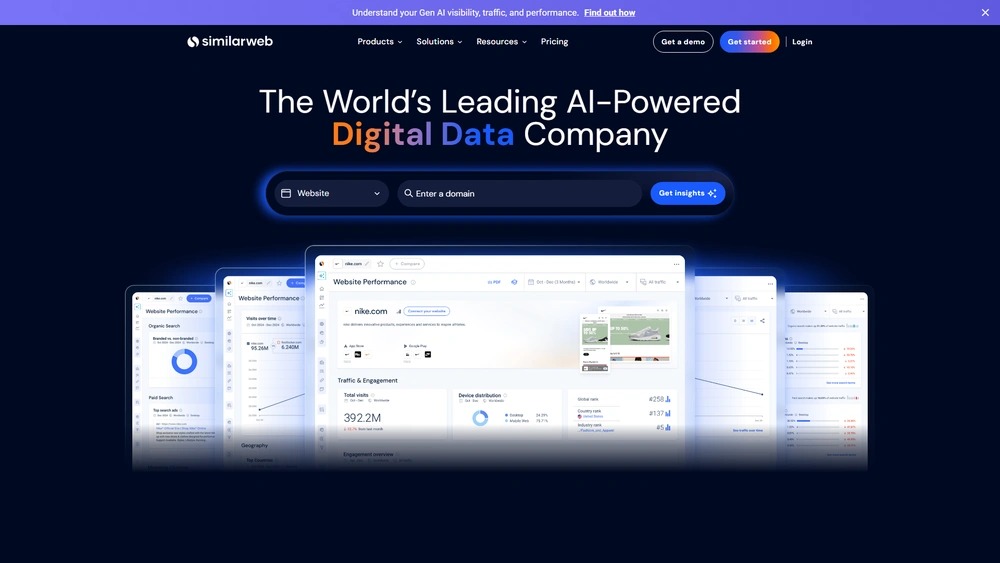
Unlocking Digital Insights: My Journey and Deep Dive into Similarweb’s Power
You know that feeling, right? You’re pouring your heart and soul into your website, your online business, your content, but you’re constantly wondering: “What are my competitors doing that I’m not?” or “Where’s my traffic really coming from?” Or even, “Is this market actually growing, or am I just shouting into the void?”
For years, I wrestled with these questions. I’d try a dozen different tools, piece together data from Google Analytics, Search Console, maybe a social media analytics platform, but it always felt like I was looking through a keyhole. I could see bits and pieces, but never the full picture. It was frustrating, to say the least, especially when trying to strategize for growth or pivot in a rapidly changing online landscape.
That’s when I started hearing whispers about Similarweb. At first, I was skeptical. Another tool promising to be the magic bullet? I’d been down that road before. But the more I looked into it, the more intrigued I became. People I respected in the industry kept bringing it up, praising its depth of data and the insights it provided. Eventually, my curiosity got the better of me, and I decided to take the plunge. What started as a casual exploration quickly turned into an indispensable part of my digital toolkit.
My journey with Similarweb has been an eye-opener. It’s not just a reporting tool; it’s like having a digital microscope and a crystal ball all rolled into one. It demystifies the online world, turning abstract numbers into clear, actionable strategies. If you’re serious about understanding your corner of the internet, then buckle up, because I’m going to share everything I’ve learned from my own use, the good, the great, and a few things I wish were even better.
What Exactly is Similarweb, Anyway? (And Why I Needed It So Badly)
At its core, Similarweb is a digital intelligence platform. Think of it as a massive data engine that collects, analyzes, and presents information about pretty much every website and app out there. It provides insights into traffic, audience behavior, competitor strategies, market trends, and so much more.
My own need for Similarweb stemmed from a very real challenge: I was managing a content-heavy website in a fairly competitive niche. We were growing, but I felt like we were always playing catch-up. I needed to understand:
* Who were our *real* competitors, not just the ones we thought we knew?
* Where were they getting their traffic from? Was it all organic, or were they spending big on ads?
* What keywords were driving the most traffic for them that we weren’t even targeting?
* What kind of content was resonating with their audience?
* And perhaps most importantly, what was the overall health of our niche? Was it expanding, contracting, or just stagnant?
Without answers to these questions, every strategic decision felt like a shot in the dark. I was relying on gut feelings and limited internal data, which, while useful, didn’t give me the external market context I desperately needed. Similarweb promised to fill that gap, offering a panoramic view of the digital landscape. It felt like switching from driving with just your rearview mirror to having a full 360-degree radar.
If you’re already feeling that pang of familiarity with my struggle, you might want to explore what Similarweb can do for you. You can Visit Official similarweb Website Now to see their offerings.
My Journey with Similarweb: From Curious Free User to Valued Subscriber
Like many, I started with the free version of Similarweb. You can plug in almost any website URL and get a quick snapshot of its traffic, engagement, top countries, and even some basic traffic sources. It’s a fantastic way to dip your toes in and get a taste of the data. Even the free version was enlightening – just seeing the estimated traffic for a competitor was enough to spark new ideas and make me realize how much I *didn’t* know.
However, the free version, while great for a quick peek, has its limitations. The data is usually aggregated over a longer period, and the granularity isn’t there. You get a broad stroke, but not the fine details. For instance, I could see a competitor got a lot of traffic from “referrals,” but I couldn’t see *which specific sites* were referring them. This was crucial information I needed to uncover potential partnership opportunities or discover new content distribution channels.
This limitation was exactly what pushed me to consider the paid version. I realized that if the free insights were this powerful, what could I achieve with the full suite? After a demo and a lot of consideration, I made the investment. And looking back, it’s one of the best decisions I’ve made for understanding and navigating the digital space. It transformed my strategic planning from educated guesswork to data-driven confidence.
The Features I Lean On Daily: My Can’t-Live-Without Similarweb Tools
Similarweb is packed with features, and honestly, it can feel a bit overwhelming at first. But after spending countless hours digging through reports, I’ve identified the core functionalities that have become absolutely essential to my workflow.
1. Deep Dive into Website Performance & Traffic Analytics
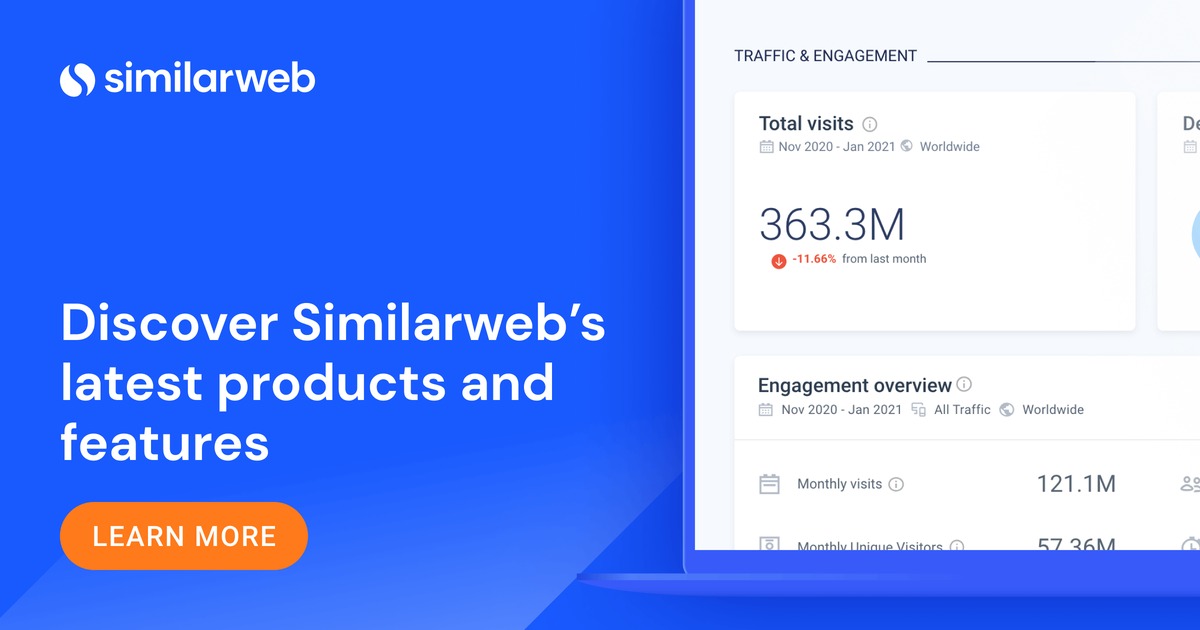
This is probably where I spend most of my time. You can plug in any website (yours, a competitor’s, a potential partner’s) and get a comprehensive breakdown of its traffic.
* **Traffic Volume & Engagement:** I can see estimated monthly visits, average visit duration, pages per visit, and bounce rate. This is gold for benchmarking. For example, I once noticed a competitor had a surprisingly low bounce rate despite a lot of traffic. Digging deeper, I realized they were heavily invested in interactive content, which kept users engaged for longer. This led me to experiment with similar content formats, and our engagement metrics saw a noticeable bump.
* **Traffic Sources:** This breaks down where traffic is coming from: Direct, Organic Search, Paid Search, Social, Referral, and Mail. This is HUGE. I discovered one competitor was crushing it with referral traffic from a niche forum we hadn’t even considered. Another was spending heavily on display ads that were performing exceptionally well. This helped me reallocate my own marketing budget and explore new channels.
* **Geo-Distribution of Traffic:** Understanding which countries are driving the most traffic is crucial, especially if you’re thinking about international expansion or localizing content. I used this to identify a burgeoning audience in a specific US state that we weren’t actively targeting, leading to a focused regional marketing effort.
2. Unmasking Competitor Strategies
This is where Similarweb truly shines for me. It allows you to identify your direct rivals and even uncover “hidden” competitors you might not have known about.
* **Competitor Benchmarking:** I can compare my site’s performance directly against up to four competitors on almost any metric. This helps me identify my strengths and weaknesses relative to the market. Are their traffic sources more diversified? Are their users spending more time on site?
* **Competitor Content & Keywords:** By seeing what keywords and content are driving traffic to their sites, I can spot opportunities for my own content strategy. It’s not about copying; it’s about understanding what the market is responding to and finding my own unique angle. I remember finding a competitor was ranking for a long-tail keyword we’d dismissed as too niche, but Similarweb showed it was generating significant, high-converting traffic for them. We adjusted our strategy, and the results were almost immediate.
A fellow digital marketer, Sarah M., once told me, *”Similarweb is like having an X-ray vision for the internet. Before, I was guessing what my competitors were up to; now, I have data-driven insights that inform every decision. It’s a game-changer for competitive analysis.”* That really resonated with my own experience.
3. Precision Keyword Research
While I use other tools for initial keyword brainstorming, Similarweb brings a unique dimension to keyword research by showing you what’s *actually* driving traffic for your competitors, not just what the search engines report.
* **Top Organic Keywords:** See the exact keywords bringing traffic to any site, and gauge their estimated volume and position. This is invaluable for identifying “low-hanging fruit” keywords that competitors might be neglecting or high-volume terms you should be targeting.
* **Paid Keywords:** This reveals what keywords competitors are bidding on in paid search. It’s a fantastic way to uncover their PPC strategies, budget allocation, and potential ad copy angles. I used this to optimize our own Google Ads campaigns, seeing which non-branded terms were profitable for rivals and adjusting our bids accordingly.
4. Understanding Your Audience (and Their Behavior)
Knowing who your audience is and what else they’re interested in is crucial for content and product development.
* **Audience Interests:** Similarweb shows related sites that your audience also visits. This is brilliant for identifying potential partners, content topics, or even new product ideas. If my audience is also visiting sites about “sustainable living,” it might suggest an untapped content category for me.
* **Demographics:** While not as granular as your own internal analytics, it provides an overview of age and gender distribution, helping to validate or refine your target persona.
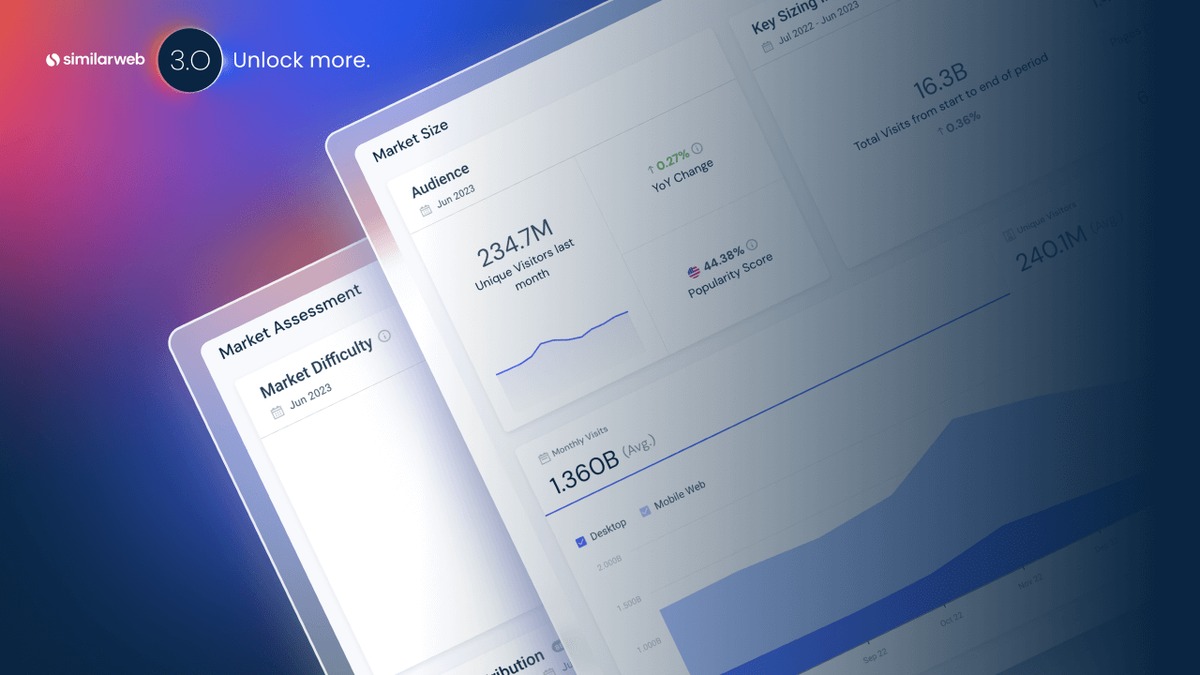
5. Industry Analysis & Trends
Beyond individual websites, Similarweb lets you zoom out and look at entire industries or categories.
* **Market Growth:** Is the overall industry growing or shrinking? This helps validate new ventures or assess the long-term viability of your niche.
* **Category Leaders:** Identify the top players in any given industry, their market share, and key trends. This is incredibly useful for business development and strategic planning.
Another user, David K., a startup founder, shared, *”We used Similarweb to validate a new market niche before launching our product. The insights into traffic trends and competitor activity saved us months of wasted effort and helped us refine our offering to perfectly match demand. It’s essential for anyone serious about understanding market dynamics.”*
6. Sales Intelligence & Lead Generation
This feature, while perhaps not for everyone, has been surprisingly useful. Similarweb can identify companies based on their digital footprint – for example, companies that visit specific websites or use certain technologies.
* **Targeted Outreach:** For B2B businesses, this means you can identify potential leads who are already showing interest in your type of solution or are active in a specific industry. My sales team found this incredibly effective for personalizing outreach and increasing conversion rates.
My Workflow with Similarweb: A Glimpse Behind the Curtain
Let me walk you through a typical scenario where Similarweb plays a starring role. Let’s say I’m planning a new content cluster around a specific topic, “sustainable gardening.”
1. **Initial Market Scan:** I’d start by looking at the broader “Gardening” or “Home & Garden” category in Similarweb to understand overall market trends. Is interest growing? What are the biggest players?
2. **Competitor Identification:** I’d then plug in my main competitors (and maybe my own site for comparison). Similarweb’s “Competitors” report often reveals other sites I hadn’t even considered as direct rivals, but who are attracting a similar audience with related content.
3. **Traffic Source Deep Dive:** For each competitor, I’d analyze their traffic sources. Are they getting a lot of organic traffic for “sustainable gardening” keywords? Is there a particular social media platform driving significant visitors? Are there referral sites sending them high-quality traffic? This helps me prioritize my own promotional efforts.
4. **Keyword & Content Gap Analysis:** This is crucial. I’d go into the “Keywords” report for competitors, filtering for relevant terms. I look for keywords they rank well for that we don’t, or keywords with high search volume and relatively lower competition. I also pay attention to their top-performing content pages to understand what angles and formats are resonating. This often gives me dozens of ideas for new blog posts, guides, or video topics.
5. **Audience Insights:** I’d check the “Audience Interests” for competitor sites. What other topics are their visitors interested in? This might reveal tangential content opportunities or potential collaboration partners.
6. **Actionable Plan:** With all this data, I can then develop a highly targeted content calendar, knowing exactly which keywords to target, which content formats to prioritize, and which channels to focus on for promotion. It takes the guesswork out of content strategy entirely.
What I Really Love About Similarweb (The Pros)
There’s a lot to appreciate about Similarweb, and these are the things that truly make it stand out for me:
* **Breadth and Depth of Data:** The sheer volume of websites and apps it covers is astounding. The data points go incredibly deep, from traffic sources to audience demographics, even down to technology usage. It’s a treasure trove of information.
* **Actionable Insights:** It’s not just raw data; Similarweb does an excellent job of presenting it in a way that’s easy to understand and, more importantly, easy to act upon. The dashboards are intuitive, and the reports are designed to answer specific business questions.
* **Competitive Intelligence at its Best:** For anyone in a competitive market (which is pretty much everyone online), this tool is invaluable. It helps you understand exactly where you stand, what others are doing, and where the opportunities lie.
* **Versatility:** Whether you’re in marketing, sales, product development, or even investment, there’s a use case for Similarweb. It provides market validation, competitive benchmarking, lead generation, and strategic insights across the board.
If you’re ready to gain a clear view of your digital landscape, you owe it to yourself to check it out. Visit Official similarweb Website Now.
Areas for Improvement (My Two Cents)
No tool is perfect, and Similarweb, while incredibly powerful, has a few aspects that could be refined:
* **Data for Very Small Sites:** If you’re looking at a brand new, very niche website with minimal traffic, Similarweb’s data might be less accurate or even unavailable. This is understandable given how the data is collected, but it’s something to keep in mind if your focus is on micro-sites. For established sites, it’s generally solid.
* **The Investment:** Let’s be real, Similarweb isn’t cheap. It’s an enterprise-level tool, and the pricing reflects the depth and quality of the data. For a small business with a tight budget, it can be a significant investment. However, for serious players, the ROI often justifies the cost, as the insights can lead to substantial gains.
* **Learning Curve:** While the interface is user-friendly, getting the *most* out of Similarweb requires some time and effort. There are so many reports and filters that it can be a bit overwhelming initially. I recommend taking advantage of their tutorials and support resources to get up to speed quickly.
Who Is Similarweb For?
Based on my experience, Similarweb is for anyone who needs to make data-driven decisions about their online presence.
* **Digital Marketers:** For optimizing SEO, PPC, social media, and content strategies.
* **SEO Specialists:** For comprehensive keyword research, competitor analysis, and link-building opportunities.
* **Content Strategists:** For identifying high-performing topics and understanding audience interests.
* **Business Analysts:** For market research, trend analysis, and strategic planning.
* **Sales Teams:** For lead generation and understanding potential clients’ digital footprints.
* **Entrepreneurs & Startups:** For validating market opportunities and benchmarking against established players.
* **Investors:** For due diligence on potential acquisitions or understanding market dynamics.
If you’re operating online in the US or anywhere else, understanding the competitive landscape is non-negotiable for success.
Making the Most of Your Similarweb Investment
If you decide to dive into Similarweb, here are a few tips from my own usage:
1. **Define Your Questions:** Before you even log in, know what you’re trying to achieve. Are you looking for new keywords? Analyzing a competitor’s ad spend? Understanding market growth? Having clear questions will guide your research.
2. **Start Broad, Then Narrow Down:** Begin with category overviews, then drill down into specific competitors, then into specific reports like keywords or traffic sources.
3. **Integrate with Internal Data:** Similarweb provides external market intelligence. Combine it with your own Google Analytics, CRM, and sales data for the most complete picture.
4. **Don’t Just Look, *Think*:** The data tells a story. Your job is to interpret it. Why is a competitor getting so much traffic from a specific social channel? What does that imply about their content strategy?
5. **Set Up Alerts:** Use their custom alerts to monitor changes in competitor traffic, keyword rankings, or industry trends. This keeps you proactive.
Another professional, Jessica L., a marketing consultant, confirmed this approach, saying, *”I constantly use Similarweb to prepare for client pitches. It gives me immediate credibility because I can walk into a meeting with concrete data about their market, their competitors, and key opportunities. It elevates my consulting game significantly.”*
Final Thoughts: Is Similarweb Worth It?
After months of intensive use, I can confidently say that Similarweb has become an indispensable tool for me. It transformed the way I approach digital strategy, replacing assumptions with data-backed insights. It allows me to not just react to market changes, but to anticipate them, giving me a crucial edge.
Is it a perfect tool? No, nothing is. But its strengths far outweigh its minor limitations, especially for any business or individual serious about their online presence and understanding the digital world they operate in. It’s an investment, absolutely, but one that pays dividends in smarter decisions, clearer strategies, and ultimately, better results.
For anyone who’s tired of flying blind online and wants to truly understand the dynamics of their market and competitors, Similarweb offers a unparalleled level of insight. It’s not just about seeing the numbers; it’s about understanding the story behind them and using that knowledge to propel your own growth.
Ready to gain the clarity and insights you need to dominate your digital space?
Visit Official similarweb Website Now and explore how it can transform your digital strategy.
Seriously, give it a look. It might just change your entire perspective.
Visit Official similarweb Website Now.


You May Also Like

My Go-To for Gorgeous Floors: A Deep Dive into Rugs Direct
Similarweb Review: My Secret Weapon for Crushing Digital Marketing Goals