Diving Deep with Flashforge: A Personal Review of My Favorite 3D Printers
Hey everyone, welcome back to the blog! Today, I want to chat about something that has truly transformed my creative outlet and, dare I say, brought a little bit of magic into my home workshop: 3D printing. Specifically, I want to share my personal journey and experiences with Visit Official flashforge Website Now, a brand that has been a staple in my making adventures for years now. If you’ve ever considered getting into 3D printing, or even if you’re just curious about what it’s all about, stick around, because I’ve got a lot to tell you.
I remember the first time I saw a 3D printer in action. It was at a local maker faire, and someone was printing little articulated dragons. My mind was absolutely blown. The idea that you could design something on a computer and then, with relative ease, hold a physical object in your hand, felt like science fiction. But like many, I was intimidated. The machines looked complex, the software seemed daunting, and the price tags often felt out of reach for a casual hobbyist like myself.
Fast forward a bit, and the itch to get my own 3D printer became unbearable. After countless hours of research, poring over reviews, watching YouTube videos, and bugging every 3D printing enthusiast I knew, one name kept popping up with consistent praise for reliability and user-friendliness: Flashforge. I took the plunge, starting with one of their more beginner-friendly models, and it’s been a fantastic ride ever since.
My First Foray: The Flashforge Adventurer 3
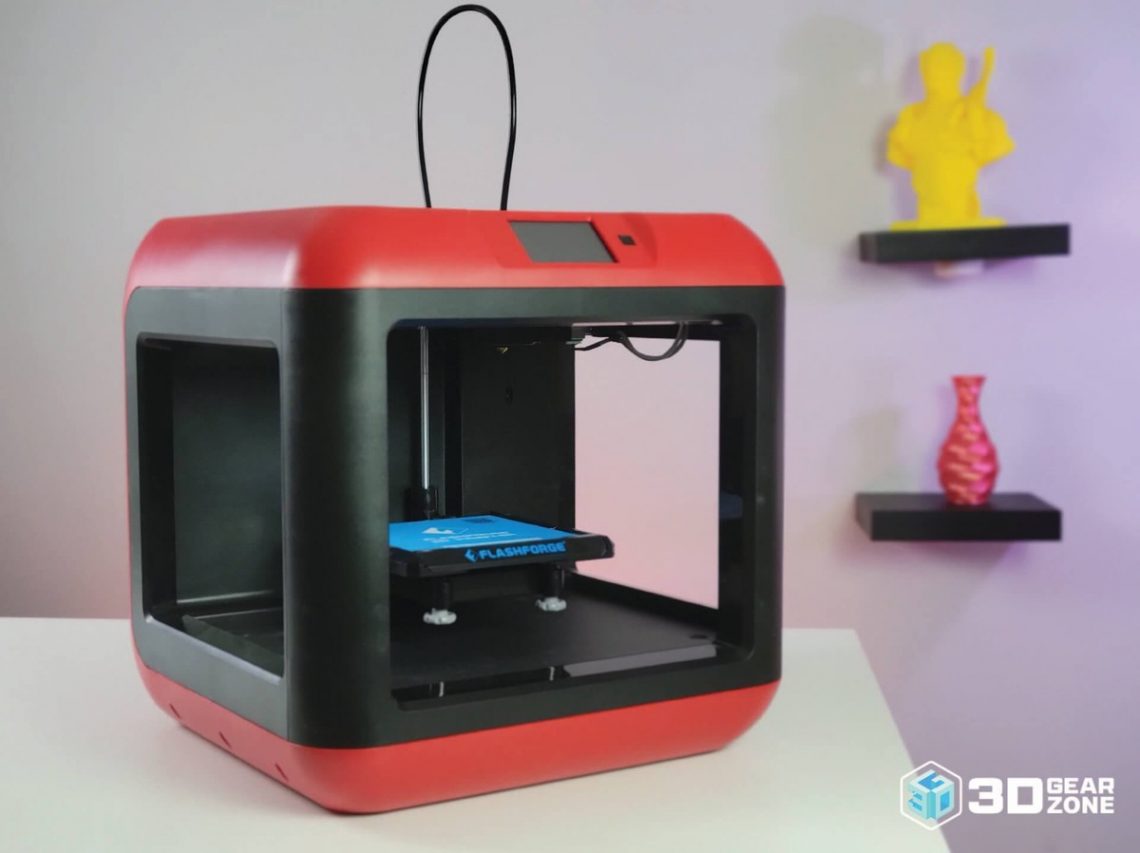
My journey into the world of Flashforge began with the Adventurer 3. This little machine promised ease of use, a fully enclosed printing chamber, and a relatively compact footprint – perfect for my limited workspace. When the box arrived, I was admittedly a bit nervous. Would I be able to set it up? Would I understand the software? All those typical new-tech anxieties bubbled up.
Unboxing the Adventurer 3 was a breeze, though. It came almost entirely pre-assembled. All I had to do was attach the filament spool holder, plug it in, and load the filament. The instructions were clear, and within about 15 minutes, I was ready for my first print. I’m not exaggerating; it was *that* simple. This was a huge relief, especially for someone who isn’t super mechanically inclined but loves to tinker.
For my inaugural print, I chose one of the pre-loaded test models – a small calibration cube, I think. Watching the nozzle glide over the build plate, laying down layer after precise layer of molten plastic, was genuinely captivating. There’s something incredibly satisfying about witnessing a digital design materialize before your eyes. The print finished without a hitch, and the cube was surprisingly perfect. No warping, no stringing, just a solid little plastic cube.
From there, I moved on to more ambitious projects. I printed cookie cutters for my wife, small organizers for my desk, replacement parts for a broken toy, and even some intricate models from Thingiverse. The Adventurer 3, with its removable and flexible build plate, made print removal incredibly easy. Just bend the plate a little, and the print pops right off. This feature alone saved me so much frustration compared to some horror stories I’d heard about stubbornly stuck prints.
The FlashPrint software, which comes with all Flashforge printers, was also surprisingly intuitive. It’s not overly complicated, but it offers enough settings for you to tweak as you gain confidence. I found it very easy to slice models, adjust supports, and send files to the printer via Wi-Fi. No more messing around with SD cards all the time!
One of my favorite early projects with the Adventurer 3 was printing a custom-designed phone stand. It was a simple design, but being able to bring something from concept to reality in just a few hours was a real “aha!” moment for me. It wasn’t just about printing; it was about *making*. And the Adventurer 3 was the perfect companion for that journey, always delivering consistent results.
Stepping Up My Game: Exploring More with Flashforge
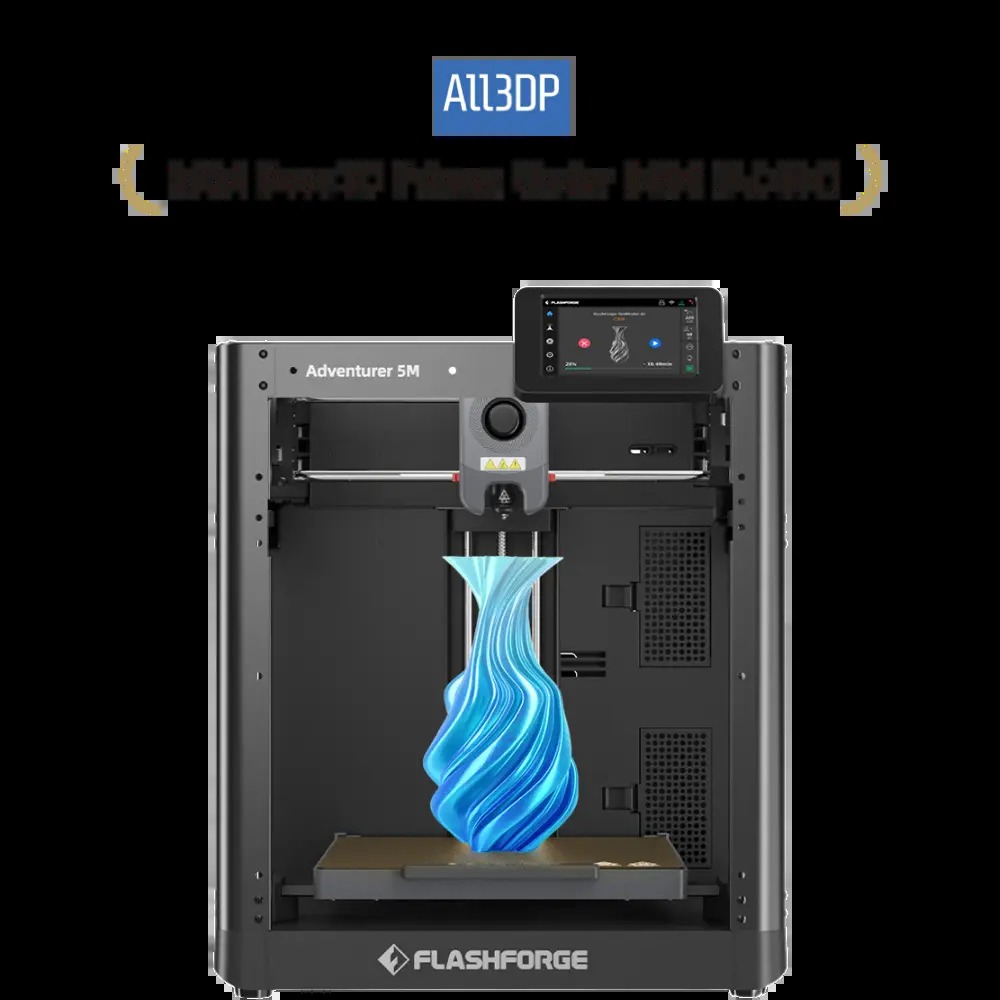
As my confidence grew, so did my ambition. I started looking at printers that offered more features, like dual extrusion or larger build volumes. That’s when I explored other Flashforge models, eventually getting my hands on a Creator Pro 2. This machine was a significant step up, offering independent dual extruders (IDEX), which opened up a whole new world of possibilities for multi-color prints or printing with soluble supports.
The Creator Pro 2, while a bit more industrial-looking than the sleek Adventurer 3, maintained that core Flashforge reliability. Setting it up was still relatively straightforward, though calibrating dual extruders takes a little more finesse. But once dialed in, the results were stunning. Printing a functional part with ABS for strength and PVA for easily dissolvable supports felt like unlocking a superpower.
My experience with Flashforge has truly been one of continuous learning and growth. From simple PLA trinkets on the Adventurer 3 to complex, multi-material functional prototypes on the Creator Pro 2, the brand has consistently provided tools that just *work*. This reliability is a huge factor, especially when you’re investing your time and materials into a print that might take hours or even days to complete. There’s nothing worse than coming back to a failed print after a long wait, and with Flashforge, those instances have been few and far between.
What I Really Appreciate About Flashforge
So, after all this time and countless spools of filament, what stands out about Flashforge printers for me?
1. Built Like a Tank (Mostly)
Flashforge printers generally feel very solid. The frames are sturdy, and the components seem well-engineered. This isn’t flimsy plastic – it’s a machine designed to withstand the vibrations and heat cycles of continuous printing. My Adventurer 3 has been running for years with minimal issues, and the Creator Pro 2 feels equally robust. You can tell they put effort into the physical construction.
2. User-Friendly Experience, Even for Beginners
This is probably their biggest selling point for newcomers. Flashforge excels at making 3D printing accessible. The Adventurer series is particularly fantastic for absolute beginners, with features like automatic filament loading/unloading, assisted bed leveling, and simple interfaces. But even their more advanced machines retain a user-first approach. They don’t overwhelm you with unnecessary complexity.
3. The FlashPrint Slicer Software
As mentioned before, FlashPrint is a joy to use. It strikes a perfect balance between being simple enough for new users to get started quickly, while also offering advanced settings that experienced makers appreciate. It’s regularly updated, and I’ve found it to be very stable. Plus, it’s designed specifically for Flashforge printers, meaning you get optimal profiles right out of the box, reducing a lot of guesswork.
4. Consistent Print Quality
No matter which Flashforge model I’ve used, I’ve been consistently impressed with the print quality. Layer lines are minimal, details are sharp, and prints come out dimensionally accurate. Of course, good filament and proper calibration play a role, but a good printer lays the foundation, and Flashforge absolutely does.
5. Community and Support
While I haven’t needed to contact their official support often, the Flashforge community online is quite active. There are forums, Facebook groups, and Reddit communities where users share tips, troubleshoot issues, and showcase their amazing prints. It’s always reassuring to know there’s a network of people who can help if you get stuck.
If you’re curious to see their full range of offerings, I highly recommend checking out their official site. You might be surprised at the variety and innovation they pack into their machines: Visit Official flashforge Website Now.
What Other Makers Are Saying About Flashforge
My positive experiences aren’t unique. I often chat with other 3D printing enthusiasts, and Flashforge printers frequently come up in discussions about reliable and user-friendly machines. Here’s a peek at what some other folks have shared:
-
“I picked up a Flashforge Adventurer 4 a few months back, and it’s been a dream. The auto-leveling is a lifesaver, and I literally just hit print and walk away. For someone who doesn’t want to spend hours tinkering, it’s perfect.” – A hobbyist from a local maker group.
-
“We use several Flashforge Creator Pro printers in our school’s tech lab. They take a beating from students, but they just keep on printing. The enclosed build chamber is great for ABS, and they’re robust enough for daily use.” – A high school tech teacher.
-
“I upgraded from a cheap, open-frame printer to a Flashforge Finder, and the difference in print quality and noise level is night and day. It’s so much quieter, and my prints actually stick to the bed now! Plus, their FlashPrint software is a huge step up.” – A user on an online forum.
-
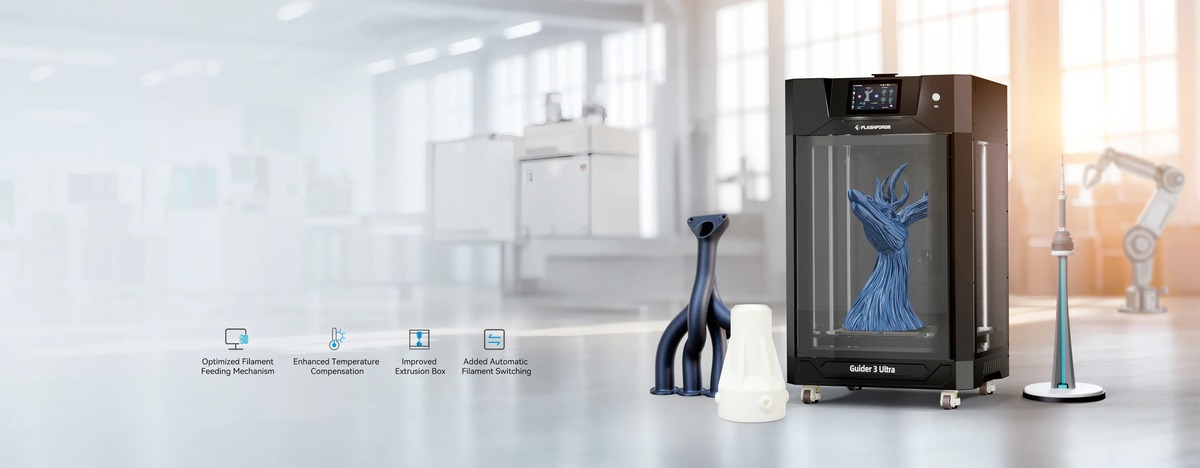
“My business relies on quick prototyping, and our Flashforge Guider IIs have been absolute workhorses. They’re reliable, have a decent build volume, and handle various filaments without fuss. Definitely a solid investment for small-scale production.” – An entrepreneur using 3D printing for product development.
These sentiments echo my own. It’s clear that Flashforge has cultivated a reputation for delivering machines that perform consistently and provide a relatively hassle-free 3D printing experience, which is incredibly valuable whether you’re just starting out or running a small business.
Things to Keep in Mind
No product is absolutely perfect, and while my experiences with Flashforge have been overwhelmingly positive, there are a couple of things to consider. Some of their enclosed printers can be a bit noisier than super-silent open-frame alternatives, especially when the cooling fans kick in. It’s not disruptive, but it’s noticeable if it’s sitting right next to you in a quiet room. Also, while FlashPrint is great, some advanced users might eventually want to explore more complex slicers like Cura or PrusaSlicer for even finer control, though FlashPrint is usually more than adequate.
Another point, which isn’t really a downside but more of an expectation, is that like with any 3D printer, you’ll still need to learn about filament types, temperature settings, and occasional maintenance. While Flashforge makes it easy to get started, the world of 3D printing is vast, and there’s always more to learn and experiment with. That’s part of the fun, though!
Who Is Flashforge For?
Based on my own use and observations, I’d say Flashforge printers are an excellent choice for a wide range of users:
- Beginners: If you’re just getting started and want a machine that’s easy to set up and reliably produces good prints without a steep learning curve, an Adventurer series Flashforge printer is a fantastic choice.
- Hobbyists: For those who love to tinker, create props, print game pieces, or make functional parts for around the house, Flashforge offers models with enough features and build volume to support your projects.
- Educators: Schools and educational institutions often praise Flashforge for their durability, ease of use, and enclosed designs, which add an extra layer of safety in a classroom setting.
- Small Businesses & Prototypers: For designers, engineers, and small businesses needing reliable prototyping or small-batch manufacturing capabilities, machines like the Creator Pro or Guider series offer the consistency and features required.
Seriously, whether you’re building cosplay props, engineering new gadgets, or just making custom gifts, there’s likely a Flashforge printer that fits your needs perfectly. Don’t hesitate to check out their site for details: Visit Official flashforge Website Now.
Final Thoughts on My Flashforge Journey
My journey with Flashforge has been incredibly rewarding. It started with a curious novice and has evolved into a confident maker, tackling increasingly complex projects. The brand has consistently delivered on its promise of reliable, user-friendly 3D printers that empower creativity without unnecessary frustration. From the moment I unpacked my first Adventurer 3, to the satisfying click of a perfectly printed part coming off the build plate, Flashforge has been a trusted partner in my workshop.
If you’ve been on the fence about diving into 3D printing, or if you’re looking for an upgrade that offers more consistency and less headache, I genuinely believe Flashforge is a brand worth serious consideration. They offer a range of machines that cater to different skill levels and project requirements, all backed by a commitment to quality that I’ve personally experienced time and time again. So go ahead, start imagining what you could create!
Thanks for reading along on my 3D printing adventure. If you have any questions about Flashforge or 3D printing in general, drop them in the comments below! And if you’re ready to start your own Flashforge story, you can explore their full lineup and find the perfect printer for your needs right here: Visit Official flashforge Website Now.
Happy printing!


You May Also Like
Revamping My Backyard: My Personal Experience with Purple Leaf Canada
My Deep Dive into G/FORE: Elevating My Golf Game (and Style!) on UK Courses