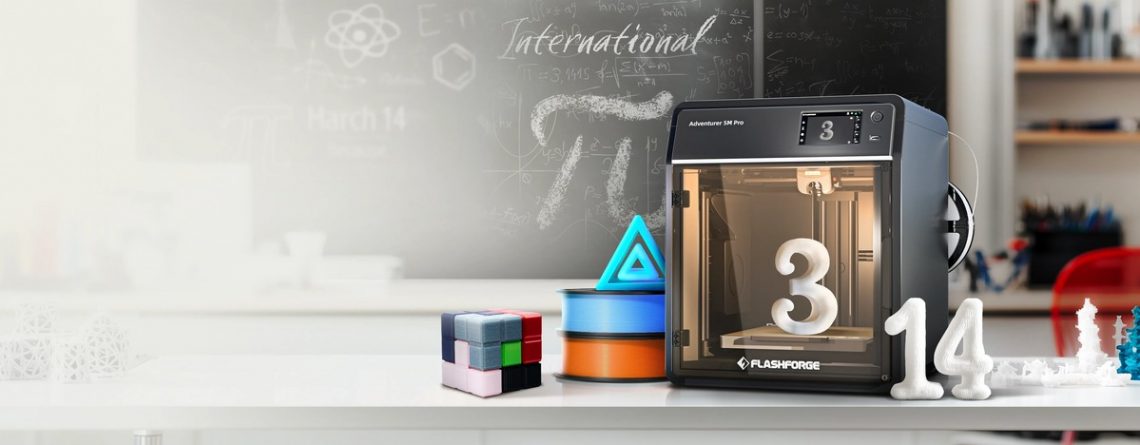
My FlashForge Adventure: Why These 3D Printers Are My Go-To for Awesome Creations
Hey everyone! If you’ve been following my creative journey, you know I’ve plunged headfirst into the world of 3D printing over the last few years. It’s been a wild ride, from frustrating failed prints to that incredible moment when a complex design finally comes off the print bed perfectly. Throughout this adventure, one brand has consistently been a reliable companion, a true workhorse in my workshop: FlashForge.
When I first started looking into 3D printers, the sheer number of options out there was overwhelming. Every review seemed to sing praises for a different model, and as a relative newbie, I just wanted something that would work *without* a constant tinkering habit. I wasn’t looking to become a 3D printer mechanic; I wanted to be a 3D *maker*. That’s where FlashForge really entered the picture for me. I kept seeing their name pop up again and again in discussions about user-friendliness and solid performance. So, I took the plunge, and I haven’t looked back.
If you’re on the fence about getting into 3D printing, or if you’re looking to upgrade from a printer that’s just not cutting it anymore, stick around. I want to share my personal experiences and why I believe FlashForge printers offer such fantastic value and a genuinely rewarding printing experience. You can check out their full range and see what I mean over at their official site: Visit Official flashforge Website Now.
My Personal FlashForge Journey: From Skeptic to Superfan
I remember my very first FlashForge printer vividly. It was an Adventurer 3, a compact little machine that promised ease of use right out of the box. And let me tell you, it delivered. The unboxing was surprisingly straightforward – no confusing bundles of wires or cryptic instructions. It felt more like setting up a regular appliance than a complex piece of tech. Within about an hour, I had it plugged in, filament loaded, and was running my first test print.
That initial test print, a small cube, came out flawlessly. The relief was palpable! I’d heard horror stories from friends who spent days calibrating and troubleshooting their first printers, but my FlashForge just… worked. It was such a breath of fresh air. From there, I quickly moved on to practical prints: a custom holder for my tools, some organizers for my desk, and even a replacement part for a broken kitchen gadget. Each time, the FlashForge Adventurer 3 handled it with aplomb. It became my go-to for quick prototypes and functional prints, proving that 3D printing didn’t have to be an intimidating hobby.
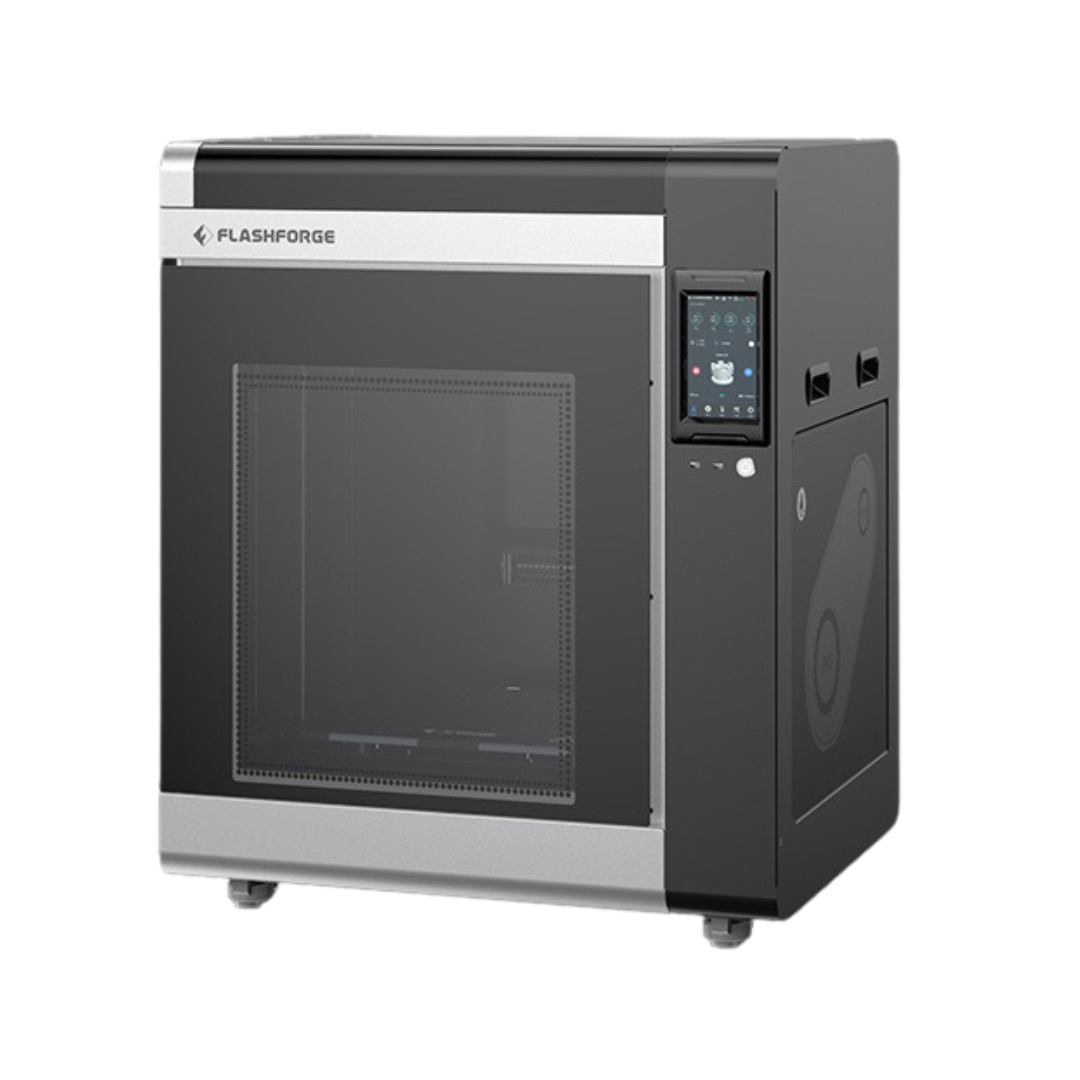
As I grew more confident, my projects became more ambitious. I started experimenting with different filaments, trying out PETG for stronger parts and flexible TPU for some squishy, fun creations. The FlashForge continued to impress. The ability to swap out nozzles easily, the quiet operation, and the enclosed build chamber (which is great for printing ABS without warping) were features I quickly came to appreciate. It wasn’t just a beginner’s machine; it was a reliable partner that adapted as my skills and needs evolved. This early success with FlashForge really solidified my trust in the brand and encouraged me to explore more of what 3D printing had to offer.
What Makes FlashForge Stand Out in a Crowded Market?
In a world full of 3D printer manufacturers, FlashForge has carved out a special place for itself, at least in my book. It’s not just one thing, but a combination of factors that makes them shine.
Unwavering Reliability and Consistent Performance
This is probably the biggest selling point for me. When I hit print, I want to be reasonably confident that I’ll end up with a usable part. With FlashForge, that confidence is consistently high. I’ve owned other brands that required constant calibration, bed leveling, or mysterious fixes, but my FlashForge machines have been remarkably stable. They hold their calibration well, the components feel durable, and print after print, they perform. I rarely have to abort a print due to mechanical failure or unexplained issues, which saves me a ton of time, filament, and frustration. It’s the kind of reliability that truly allows you to focus on design and creation, rather than troubleshooting.
Beginner-Friendly Yet Powerful
FlashForge has a knack for designing printers that are incredibly accessible for newcomers without sacrificing capabilities that more experienced users look for. Their FlashPrint slicing software, for example, is intuitive enough for a first-timer to navigate, with clear settings and helpful defaults. But it also offers advanced options for those who want to fine-tune every parameter. This balance is crucial. Many beginners get turned off by overly complex software or machines that demand too much technical knowledge upfront. FlashForge bridges that gap beautifully, making the entry barrier much lower.
Exceptional Print Quality
When you’re printing, especially for aesthetic pieces or functional parts that need precise fits, print quality is paramount. My FlashForge printers consistently deliver impressive results. The layer lines are typically smooth, details are crisp, and the dimensional accuracy is spot on for most applications. I’ve printed intricate miniatures, strong mechanical parts, and smooth enclosures, and in almost every case, the quality has exceeded my expectations for a printer in its price range. Whether it’s PLA, ABS, PETG, or even some flexible filaments, the results are consistently good, which speaks volumes about their well-engineered extruders and sturdy frames.
Robust Community and Support
While I haven’t had to lean heavily on FlashForge’s direct customer support due to the reliability of their machines, the online community around FlashForge printers is fantastic. There are active forums, Facebook groups, and Reddit communities where users share tips, tricks, and solutions. This peer support is invaluable, especially when you’re trying to learn new techniques or troubleshoot a specific filament. It’s comforting to know that if you ever hit a snag, there’s a wealth of knowledge and helpful individuals ready to assist.
Great Value for Money
Let’s be real, price matters. FlashForge printers often strike a sweet spot between affordability and performance. You get features that you might expect to find on much more expensive machines, without the premium price tag. For hobbyists, small businesses, or educators, this means you can get a high-quality, reliable printer that won’t break the bank, allowing you to invest more in filament or other tools. It’s about getting significant bang for your buck, and FlashForge truly delivers on that front.
My Go-To FlashForge Models (and Why I Love Them)
Over the years, I’ve had the pleasure of using and observing several FlashForge models, and a few have really stood out to me.
The FlashForge Adventurer Series (Adventurer 3, Adventurer 4)
As I mentioned, the Adventurer 3 was my gateway drug into serious 3D printing, and the Adventurer 4 builds on that solid foundation. These are perfect for anyone starting out, or for experienced users who need a compact, reliable second printer. The fully enclosed chamber is a huge plus for safety, quiet operation, and temperature stability (which is great for trickier filaments like ABS). The auto-leveling (or very easy assisted leveling) system is a dream, and the quick-change nozzle system means maintenance is a breeze. I’ve used my Adventurer for everything from printing cookie cutters to prototypes for small electronics enclosures, and it always just works. My kids even love making their own toys and figures on it because it’s so easy to use.
The FlashForge Creator Pro Series (Creator Pro 2, Creator 3 Pro)
When I needed to step up my game for more complex projects, especially those requiring dual-color or dual-material printing, I looked at the Creator Pro series. These machines are true workhorses. The Creator Pro 2, with its independent dual extruders (IDEX), is a game changer for multi-material prints or even just speeding up production by printing two identical objects at once. The sturdy metal frame means minimal vibration and exceptionally stable prints, even at higher speeds. I used one of these to print some very specific jigs and fixtures for a woodworking project, and the precision and strength of the prints were exactly what I needed. For anyone looking for a more robust machine capable of professional-grade results, the Creator Pro series is a fantastic option.
The FlashForge Guider Series (Guider IIs, Guider 3 Plus)
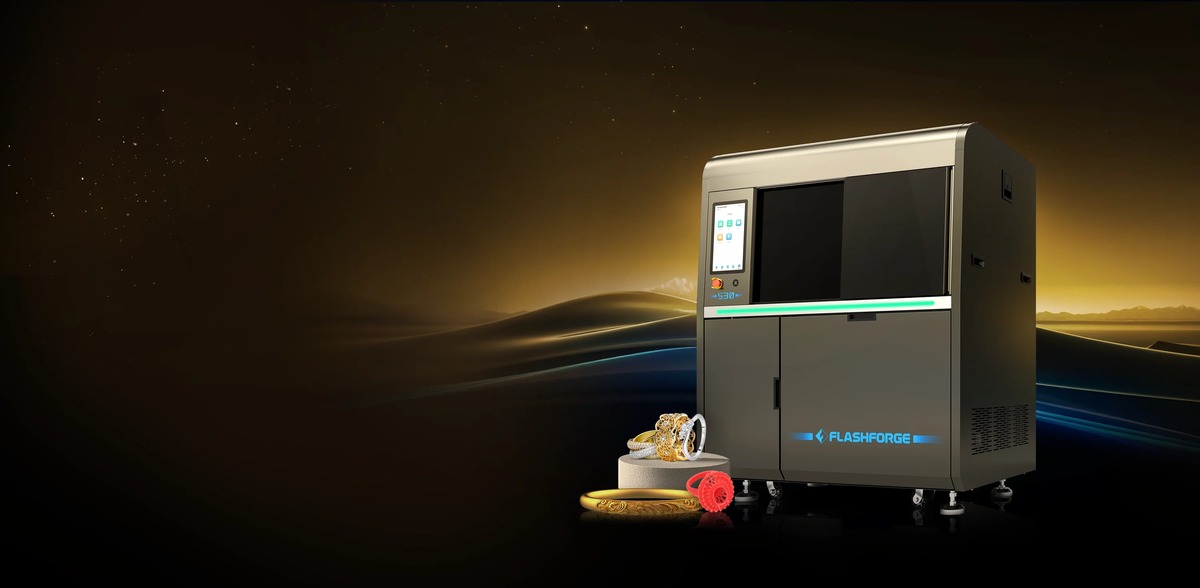
While I haven’t personally owned a Guider, I’ve seen these machines in action at maker spaces and small businesses, and they are beasts. Designed for larger projects and more demanding professional use, they offer massive build volumes and incredibly stable printing platforms. If you’re running a small production line or need to print large, single-piece prototypes, the Guider series is where it’s at. The advanced features and robust construction make them suitable for continuous operation and high-quality output on a grander scale. It’s inspiring to see the complex objects that come off these printers.
You can dive deeper into these models and find the perfect FlashForge for your needs by checking out their official site. It’s packed with information and specs: Visit Official flashforge Website Now.
What Others Are Saying About FlashForge
It’s not just me! I’ve chatted with countless fellow makers, educators, and small business owners who use FlashForge printers, and their feedback often echoes my own experiences. Here are a few things I’ve heard:
“I got an Adventurer 4 as my first printer, and it’s been incredibly forgiving. I made a bunch of mistakes early on, but the FlashForge just kept chugging along. The prints come out looking fantastic, and I love how quiet it is. I can print in my home office without disturbing anyone.” – Sarah K., Hobbyist
“We run a small prop-making studio, and our Creator Pro 2s are absolute workhorses. The dual extrusion is essential for us, and the consistency of the prints is what keeps us coming back. They just power through long prints without a fuss, which is exactly what we need for our deadlines.” – Mike R., Small Business Owner
“I use the FlashForge Guider IIs in my classroom, and it’s robust enough to handle daily student use. The large build volume means we can print bigger projects, and the students find the software really easy to learn. It’s been a fantastic investment for our STEM program.” – Emily L., Educator
“I upgraded to a FlashForge from a much cheaper, no-name brand, and the difference is night and day. The build quality, the ease of use with FlashPrint, and the sheer reliability make it worth every penny. My print success rate went from about 50% to almost 95% overnight.” – David P., Experienced Maker
Tips for Getting Started with Your FlashForge (or Any 3D Printer!)
If you’re just getting into 3D printing, or if you’re considering a FlashForge, here are a few things I’ve learned that might help:
1. **Read the Manual (Seriously!):** FlashForge manuals are well-written and clear. A quick read-through will save you a lot of guesswork.
2. **Start with PLA:** It’s the easiest filament to print with, forgiving, and great for learning the ropes. Once you’re comfortable, then branch out.
3. **Level Your Bed (or Use Auto-Leveling):** First layer adhesion is everything. Make sure your print bed is perfectly level and clean. FlashForge machines often make this super easy.
4. **Calibrate Your Extruder:** Ensure your extruder is pushing out the right amount of filament. There are plenty of online guides for this, and it makes a huge difference in print quality.
5. **Join the Community:** Online forums, Facebook groups, and Reddit are goldmines of information. You’ll find answers to almost any question and discover cool new projects.
6. **Experiment (Safely!):** Don’t be afraid to try different settings, filaments, and print ideas. That’s how you learn and grow your skills.
7. **Keep it Clean:** A little maintenance goes a long way. Keep your print bed clean, clear out any filament dust, and inspect your nozzle regularly.
Final Thoughts: Why I Recommend FlashForge
For me, FlashForge printers represent the perfect blend of accessibility, reliability, and performance. Whether you’re a complete beginner eager to make your first 3D print, a seasoned hobbyist looking for a dependable workhorse, or a small business needing consistent, high-quality output, there’s a FlashForge model that will fit your needs.
They take the headache out of 3D printing, allowing you to focus on the joy of creating. My workshop wouldn’t be the same without them, and I genuinely believe they offer some of the best overall experiences in the 3D printing world today.
If you’re ready to start your own 3D printing adventure or upgrade your current setup, I wholeheartedly recommend exploring what FlashForge has to offer. You won’t be disappointed!
Ready to jump in? Discover your next 3D printer: Visit Official flashforge Website Now. Happy printing!


You May Also Like

Getting New Checks Just Got Easier: My check advantage Experience
My Tovala Experience: Delicious Meals, Zero Stress, and a Smart Oven Revolution