Diving Deep with Flashforge: My Real-World Journey into 3D Printing Excellence
Hey everyone! If you’re anything like me, you’ve probably seen the amazing things people are doing with 3D printers and thought, “Could I actually do that?” Well, let me tell you, it’s not just possible, it’s incredibly rewarding, and for me, a huge part of that success has been thanks to Flashforge. I wanted to share my personal journey and why, after trying a few different brands, I’ve really settled into being a Flashforge fan.
My dive into 3D printing started a few years ago. I’d always been a tinkerer, a DIY kind of person, and the idea of being able to design and create physical objects from scratch was just too exciting to ignore. I remember spending weeks, maybe even months, poring over forums, watching YouTube reviews, and trying to understand all the jargon – FDM, SLA, g-code, nozzles, bed leveling… it was a lot! My biggest fear was investing a good chunk of change into something that would just sit there gathering dust because it was too complicated or unreliable.
I started with a budget-friendly kit printer, which, while educational, was also a source of endless frustration. Constant clogs, bed adhesion issues, and prints failing halfway through became the norm. I almost gave up, but then a friend who was already deep into the hobby suggested I look into Flashforge. He swore by their reliability and ease of use, especially for someone like me who wanted to *print* more than *tinker* with the machine itself.
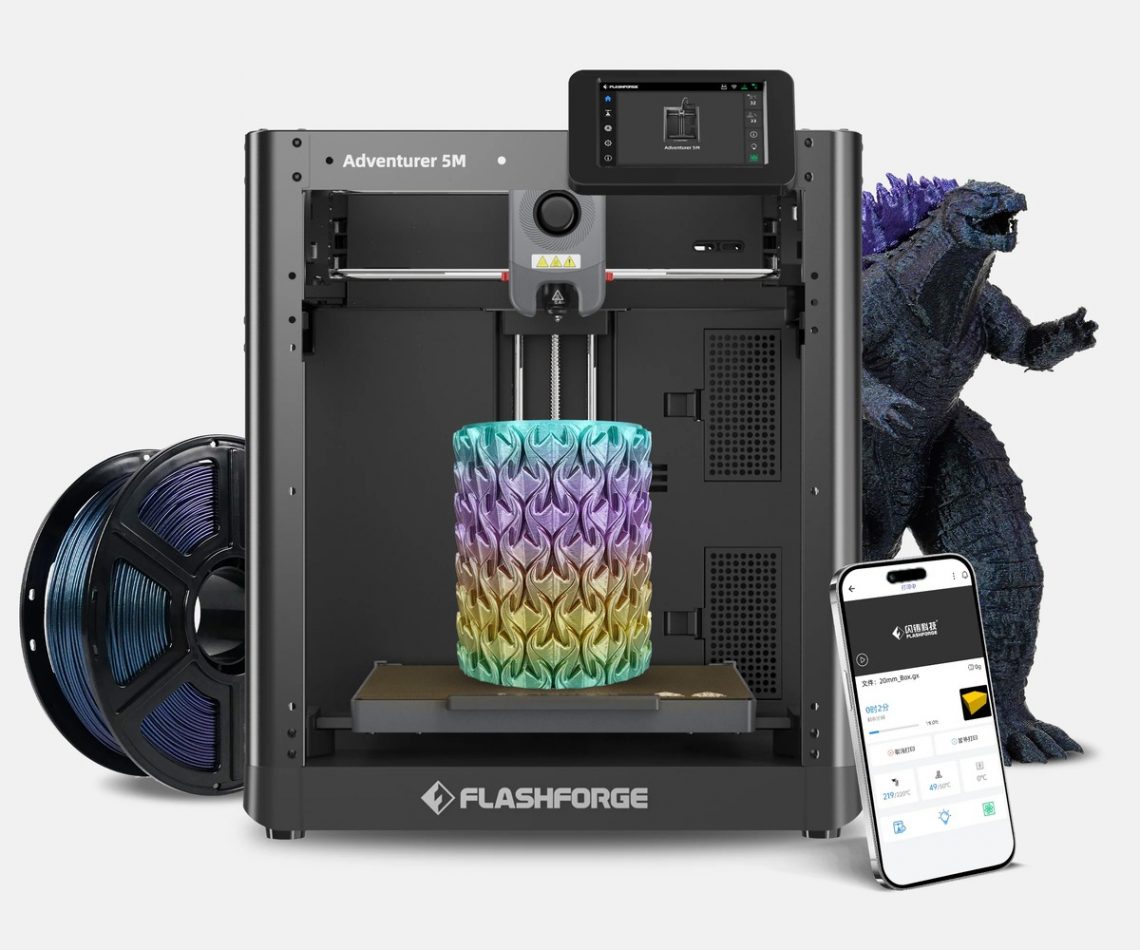
That’s when I took the plunge. After a lot more research, I decided on an Adventurer series printer from Flashforge. The reviews consistently highlighted its user-friendliness and consistent performance, and that’s exactly what I needed. I wanted something that would work right out of the box, or at least with minimal fuss.
The Unboxing and First Prints: A Breath of Fresh Air
I’ll never forget the day my Flashforge printer arrived. The box was well-packed, and everything felt sturdy. Unboxing it was a completely different experience than my previous printer. This wasn’t a bag of parts; it was a nearly fully assembled machine. The setup guide was clear, and within about 30 minutes, I had the filament loaded, the build plate leveled (which was shockingly easy compared to my last machine!), and I was ready for my first test print. The Adventurer series, in particular, is known for this plug-and-play approach, and it absolutely delivered.
My first print was a small calibration cube. I watched it intently, expecting it to go wrong at any moment. But it didn’t. It just… worked. The layers were even, the corners sharp. It wasn’t perfect, but it was miles better than anything I’d managed on my previous machine. The feeling of seeing that first successful print emerge was incredible – a mix of relief, excitement, and pure satisfaction. From then on, I was hooked, and Flashforge had earned my trust.
I started with functional prints around the house – hooks for my kitchen, organizers for my desk, replacement parts for things that had broken. The Adventurer’s enclosed design was a huge plus, not just for safety (especially with curious pets around!) but also for maintaining a consistent temperature, which is key for getting good prints, especially with materials like ABS. It also keeps the noise down, which my family appreciated.
A few months into owning my Flashforge, I started to branch out. I printed some miniatures for tabletop gaming, which required finer detail and more precise settings. FlashPrint, their slicing software, was intuitive enough for me to learn the ropes quickly, and powerful enough to let me tweak settings as I got more confident. The learning curve felt less like a steep mountain and more like a gentle slope with Flashforge.
One of the things I truly appreciate about Flashforge is their commitment to making 3D printing accessible. Their machines feel robust and thoughtfully designed, not like some experimental gadget. This is something I’ve heard echoed by others too. I remember reading a comment from a user online:
“I’ve had my Flashforge Creator Pro for three years now, and it’s still my workhorse. Never had a significant issue, just routine maintenance. It just prints, and prints well. For the price, you can’t beat the reliability.”
That really resonates with my experience. It’s about getting consistent results without constant headaches.
Exploring the Flashforge Ecosystem: Software, Support, and Community
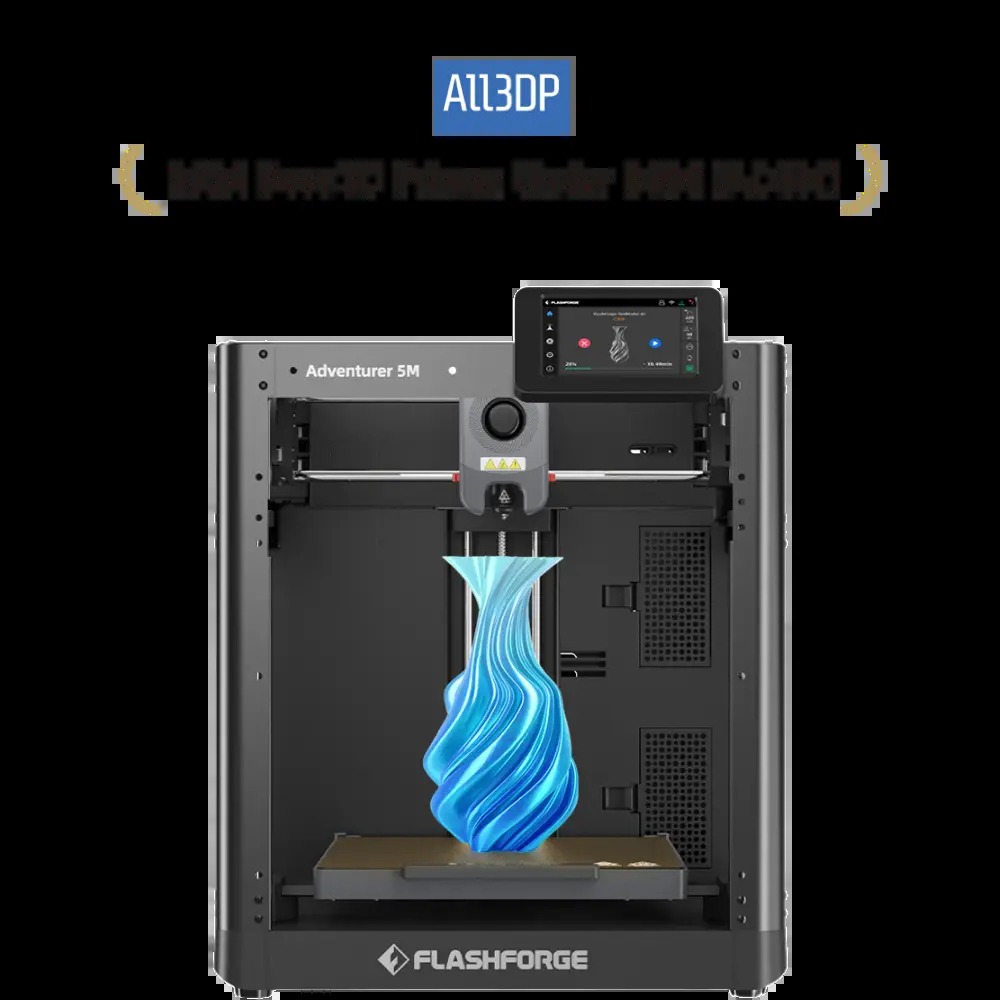
Beyond the hardware, the software experience is crucial. Flashforge’s proprietary slicing software, FlashPrint, is surprisingly good. When I first started, I was worried I’d have to learn complex third-party software, but FlashPrint proved to be incredibly user-friendly. It has a simple mode for beginners that gets you printing quickly, but also offers an expert mode where you can dive into every conceivable setting. This flexibility was perfect for my learning progression.
I’ve used it to prepare countless models, from simple utility prints to complex multi-part designs. The auto-support generation is quite good, and I’ve rarely had to manually tweak them much. Plus, it’s regularly updated, adding new features and improving compatibility. This level of integrated software support makes a huge difference, especially when you’re just getting started.
And what about support outside of software? The Flashforge community, while perhaps not as sprawling as some open-source printer communities, is incredibly helpful. I’ve found answers to niche questions in their forums and Facebook groups. It’s comforting to know that if you hit a snag, there’s a community of fellow Flashforge owners ready to offer advice.
I even had a minor issue with a thermistor cable after about a year of heavy use (it was entirely my fault during a cleaning process). I reached out to Flashforge’s customer service, half expecting a slow response or a runaround. To my surprise, they were responsive and helped me diagnose the issue quickly, even pointing me to a helpful video. That kind of post-purchase support builds a lot of confidence in a brand.
Another thing that struck me was how well-built these machines are. You can tell they use quality components. I’ve heard from other users who appreciate this attention to detail:
“The build quality on my Flashforge Guider IIs is exceptional. It’s a tank! I run it almost non-stop for prototypes, and it just keeps chugging along. Definitely a step up from cheaper alternatives I’ve owned.”
This sentiment perfectly captures why I stick with Flashforge. They don’t just sell printers; they sell reliable tools that empower creators.
My Projects and How Flashforge Helped Me Grow
Over the years, my Flashforge printer has become an indispensable tool for my hobbies and even some small side projects. I’ve designed and printed custom mounts for my camera gear, organizers for my workshop, and even intricate cosplay props for local conventions. Each project pushed my skills a little further, and my Flashforge machine handled it all beautifully.
For example, I recently decided to tackle a rather ambitious project: designing and printing a custom enclosure for a small home automation server. This involved precise measurements, multiple interlocking parts, and considerations for airflow. My Flashforge Adventurer 3 Pro (I upgraded after a couple of years, passing my original Adventurer down to a friend who is now also a Flashforge fan!) handled the intricate details and tight tolerances perfectly. The automatic bed leveling and the quick-release nozzle system on the Adventurer series made swapping out nozzles for different material types a breeze, which was essential for iterating quickly.
The ability to print with various materials has also been a game-changer. While I mostly stick to PLA for most of my projects, I’ve dabbled in PETG for stronger, more temperature-resistant parts, and even some flexible TPU for specific applications. My Flashforge printer has handled them all with consistent results. This versatility is a huge selling point, allowing me to explore more complex and functional designs without having to buy a new machine.
I’ve even used it to print gifts for friends and family – personalized keychains, small figurines, and custom cookie cutters. The look on people’s faces when you hand them something you designed and created yourself is priceless. It’s a fantastic feeling of accomplishment that Flashforge has helped facilitate.
Who is a Flashforge Printer For?
Based on my own experience and what I’ve seen in the community, I’d say Flashforge printers are an excellent choice for a wide range of users:
- Beginners: If you’re just starting and want a machine that works out of the box with minimal fuss, something like the Adventurer series is perfect. The enclosed design, assisted leveling, and user-friendly software make the entry barrier incredibly low.
- Hobbyists and Enthusiasts: For those who want reliability, good print quality, and the ability to experiment with different materials and settings, models like the Creator Pro or Guider series offer more advanced features and larger build volumes without sacrificing ease of use.
- Small Businesses/Prototyping: Many small businesses and designers use Flashforge machines for rapid prototyping or small-batch production due to their consistent performance and durability.
- Educators: Their enclosed designs and safety features make them popular in classrooms and educational settings.
It’s about finding that sweet spot between performance, reliability, and price. Flashforge, in my opinion, hits that mark consistently across their product lines. They’re not always the absolute cheapest option on the market, but the value you get in terms of fewer failed prints, less troubleshooting, and better overall experience more than makes up for it. As another user once put it:
“I learned my lesson with a super cheap printer that was constantly breaking. My Flashforge Adventurer 4 has been a dream. The extra cost upfront saved me so much time and filament in the long run. Highly recommended for anyone serious about actually printing things.”
That sentiment is spot on. Time is money, and frustrating failures are incredibly demotivating. Flashforge helps you avoid a lot of that.
Keeping My Flashforge Running Smoothly
Like any tool, a 3D printer benefits from a little TLC. My Flashforge machines have been incredibly low maintenance, but I do have a few routine practices that I believe contribute to their longevity and consistent performance:
- Keep it Clean: Regularly wipe down the build plate, clear any filament dust from around the nozzle, and check for debris inside the enclosure. A clean machine is a happy machine.
- Proper Filament Storage: Filament can absorb moisture from the air, leading to poor print quality. I store mine in airtight containers with desiccant packs, especially here in the humid US climate.
- Lubrication: Periodically, I’ll put a tiny amount of lubricant on the Z-axis lead screws and any other moving parts as recommended in the manual. This keeps things running smoothly and quietly.
- Firmware Updates: I always make sure to keep the printer’s firmware updated. Flashforge regularly releases updates that can improve performance, add features, or fix bugs. It’s an easy way to keep your machine running optimally.
- Check for Wear: Every few months, I’ll do a quick inspection of the nozzle and extruder gears for wear. Replacing these components before they fail can prevent bigger problems down the line.
These simple steps take very little time but make a huge difference in the long run. My Flashforge printers have always been workhorses, and I believe part of that is due to their inherent quality and a little bit of care on my part.
One last bit of customer feedback I recall reading, which truly reflects the sentiment many feel:
“I thought I’d need a technical degree to run a 3D printer, but my Flashforge Adventurer 3 made it so easy. It’s reliable, the prints are great, and I actually enjoy the process now. Best purchase for my creativity!”
This sums it up perfectly. Flashforge removes a lot of the intimidation factor from 3D printing, letting you focus on the creative process rather than constant troubleshooting.
Ready to Start Your Own 3D Printing Journey?
If you’ve been on the fence about getting into 3D printing, or if you’re looking for an upgrade that promises more reliability and less hassle, I really can’t recommend Flashforge enough. Their range of printers caters to various needs and skill levels, but they all share that core Flashforge commitment to quality and user experience. It’s transformed my own creative output, and I’m confident it can do the same for you.
Do yourself a favor and explore their offerings. Take a look at their official website to see their latest models and find the one that fits your needs. You might just find your new favorite hobby, or even a tool that revolutionizes your work.
You can check out their full range and learn more about their technology here: Visit Official Flashforge Website Now.
I truly believe Flashforge provides an excellent gateway into the world of 3D printing, offering the perfect balance of performance, ease of use, and value. My experience has been overwhelmingly positive, and I’m excited to see what they come up with next.
What are your thoughts on Flashforge? Have you used one of their printers? Share your experiences in the comments below! And if you’re thinking of getting into 3D printing, don’t hesitate to check out their offerings. You won’t regret it.
Start your 3D printing journey today: Visit Official Flashforge Website Now.
Happy printing!
Discover the right Flashforge printer for you: Visit Official Flashforge Website Now.
Find more detailed information and products at: Visit Official Flashforge Website Now.


You May Also Like

My Legendairy Milk Journey: Real Talk on Boosting Your Supply & Confidence
Decluttering My Life: My Take on Finding the Perfect Storage Unit with SpareFoot